%2Ffit-in%2F250x250%2Fguide_websites%2F4448%2Fimages%2Fml.png&w=1920&q=100)
/users/be03174c-b6a6-45ae-8746-040f2ac980a6/ratecard/flunder.png)
%2F300x300%2Fusers%2Fbe03174c-b6a6-45ae-8746-040f2ac980a6%2Fratecard%2Fflunder.png&w=256&q=75)
%2F300x300%2Fusers%2Fbe03174c-b6a6-45ae-8746-040f2ac980a6%2Fimages%2Fanglers-forked-river-catch-2510.jpg&w=256&q=75)
%2F300x300%2Fusers%2Fbe03174c-b6a6-45ae-8746-040f2ac980a6%2Fimages%2Fnew-jersey-coastal-cruises-fishing-2392.jpg&w=256&q=75)
%2F300x300%2Fusers%2Fbe03174c-b6a6-45ae-8746-040f2ac980a6%2Fimages%2Fbluefish-forked-river-fishing-2428.jpg&w=256&q=75)
%2F300x300%2Fusers%2Fbe03174c-b6a6-45ae-8746-040f2ac980a6%2Fimages%2Fking-mackerel-nj-fishing-trip-2487.jpg&w=256&q=75)
%2F300x300%2Fusers%2Fbe03174c-b6a6-45ae-8746-040f2ac980a6%2Fimages%2Fbig-fish-forked-river-2543.jpg&w=256&q=75)
%2F300x300%2Fusers%2Fbe03174c-b6a6-45ae-8746-040f2ac980a6%2Fimages%2Fanglers-impressive-haul-new-jersey-2515.jpg&w=256&q=75)
%2F300x300%2Fusers%2Fbe03174c-b6a6-45ae-8746-040f2ac980a6%2Fimages%2Ffishing-cruise-big-catch-2560.jpg&w=256&q=75)
%2F300x300%2Fusers%2Fbe03174c-b6a6-45ae-8746-040f2ac980a6%2Fimages%2Fyellowfin-tuna-forked-river-2431.jpg&w=256&q=75)
%2F300x300%2Fusers%2Fbe03174c-b6a6-45ae-8746-040f2ac980a6%2Fimages%2Fcruising-fishing-new-jersey-2721.jpg&w=256&q=75)
%2F300x300%2Fusers%2Fbe03174c-b6a6-45ae-8746-040f2ac980a6%2Fimages%2Fstriped-bass-fishing-nj-2567.jpg&w=256&q=75)
Best Inshore Fishing Charters in Barnegat Bay, NJ
 New Jersey
What you will be catching:
 Black Sea Bass
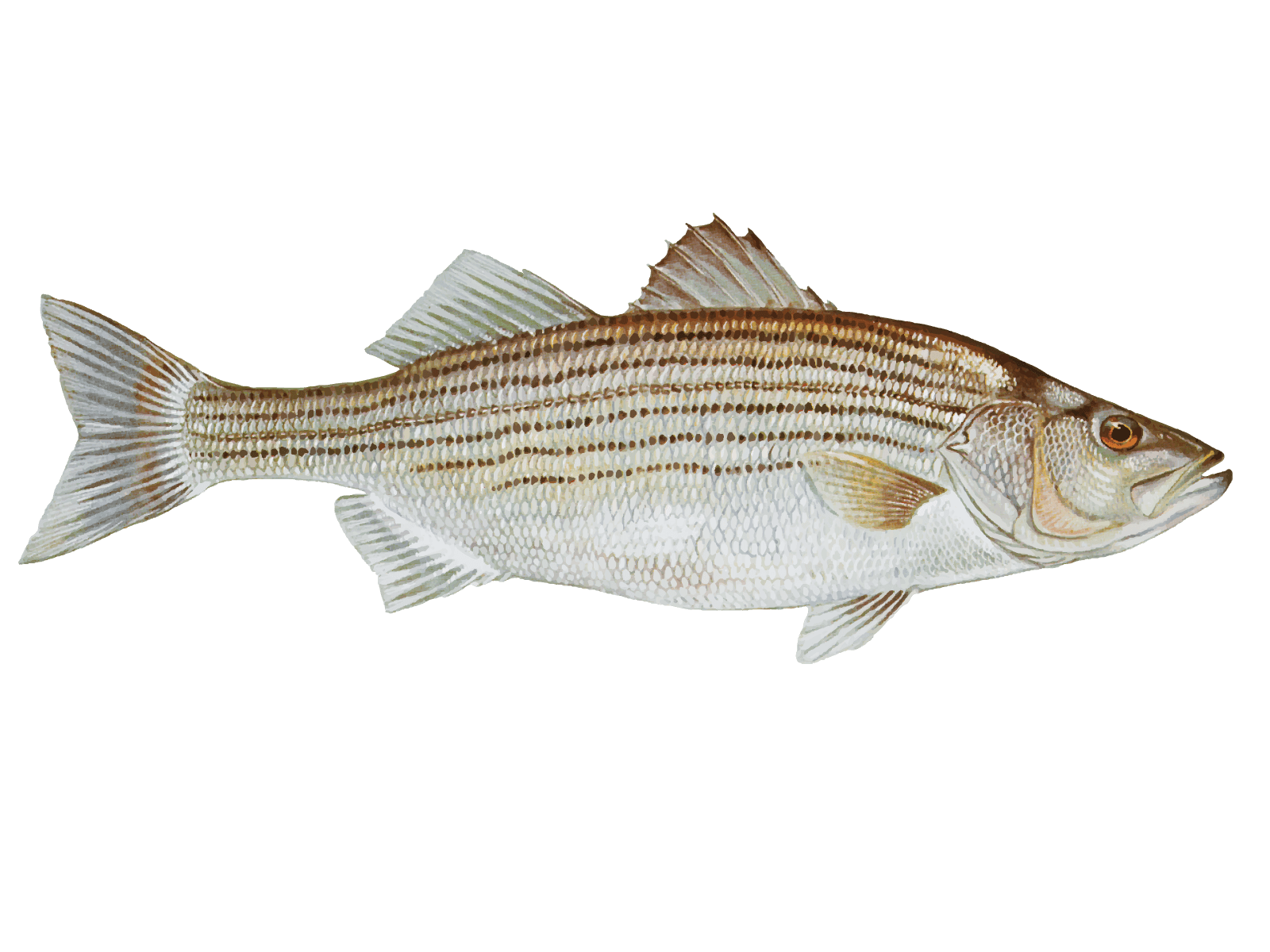
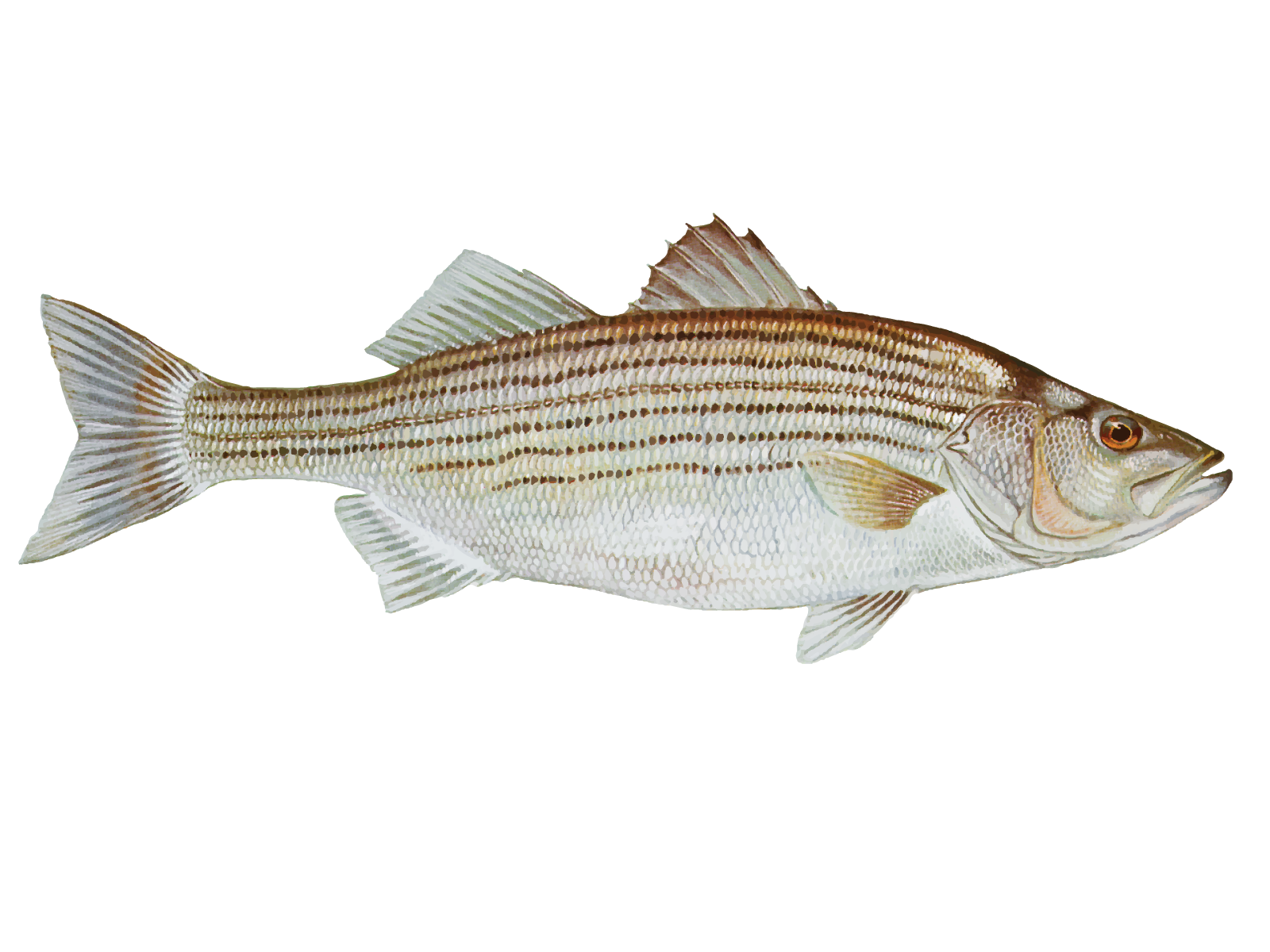 Striped Bass
 Summer Flounder
 Wahoo Fish
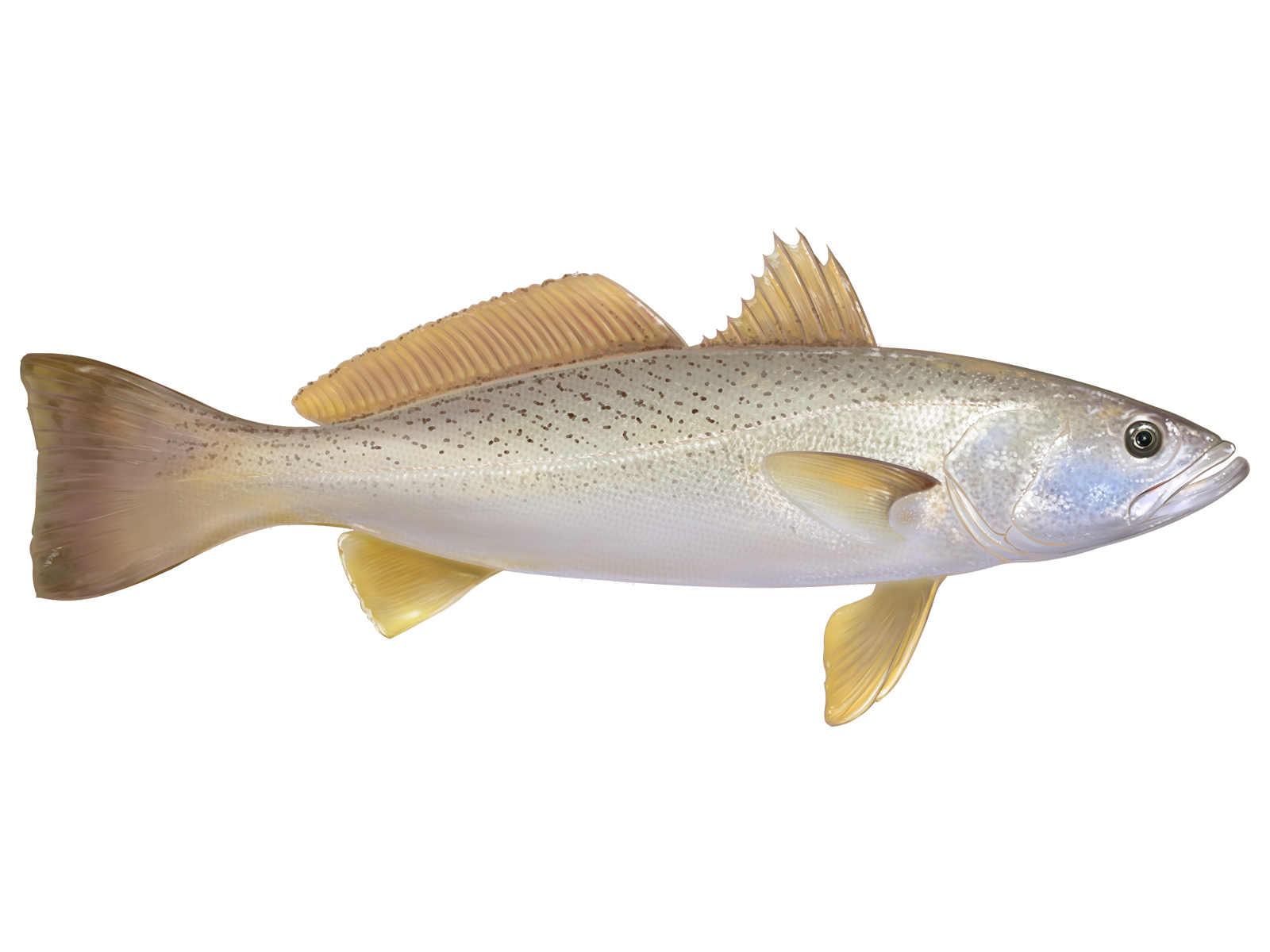 White Weakfish
- 4-hour Barnegat Bay charter targeting multiple local fish species
- All fishing equipment provided with experienced captain guidance included
- Accommodates up to six participants with flexible departure scheduling
Trip Pricing and Availabilities:
Reel in Fun on Barnegat Bay's Inshore Waters
Hey there, anglers! Ready to wet a line in some of Jersey's most productive inshore waters? Our 4-hour trip on Barnegat Bay is just the ticket for both newbies and seasoned fishermen looking to tangle with some of the Garden State's favorite game fish. We've got room for up to six of your buddies, and we'll provide all the gear you need to make memories and fill the cooler. From stripers to sea bass, flounder to blues, there's always something biting in the bay. So grab your hat and sunscreen, and let's hit the water!
What's the Deal with This Trip?
Listen up, folks – here's what you can expect when you step aboard for your Barnegat Bay adventure. We'll cruise out from the dock, and before you know it, we'll be dropping lines in some of my favorite honey holes. I've been fishing these waters for years, and I know just where the fish like to hang out. We'll try a mix of techniques, from bottom fishing for those tasty sea bass to maybe even some light tackle action for stripers if they're around. Don't worry if you're new to this – I'll show you the ropes and have you casting like a pro in no time. And for you experienced anglers, feel free to bring your own lucky lures if you've got 'em. We're all about having a good time and putting some fish in the boat, so come ready to laugh, learn, and hopefully land a few big ones!
Fishing the Bay Like a Local
Alright, let's talk shop. Barnegat Bay fishing is all about versatility. We might start off drifting with bucktails for fluke (that's summer flounder to you out-of-towners), bouncing them off the sandy bottom. If the sea bass are biting, we'll switch to dropping bait rigs loaded with clams or squid. And if we're lucky enough to find some stripers or blues busting bait on the surface, hold onto your hats – we'll break out the light tackle and toss some lures into the fray. I always keep a few rods rigged and ready for whatever the bay throws our way. The key is to stay mobile and adapt to what the fish are doing. Trust me, there's nothing quite like the thrill of a big striper smashing a topwater plug or the steady pull of a doormat fluke coming up from the depths. We'll use everything from circle hooks for bait fishing to jigs and soft plastics – I'll show you how to work each one for the best results.
Species You'll Want to Hook
Black Sea Bass: These feisty bottom-dwellers are a staple of Barnegat Bay fishing. They might not be the biggest fish in the sea, but what they lack in size, they make up for in flavor. Sea bass typically range from 1-3 pounds, with bigger ones pushing 5 pounds or more. They love structure, so we'll target them around wrecks, reefs, and rocky bottoms. The best part? They're aggressive feeders and often bite in bunches, so when you find them, it's game on! Peak season runs from late spring through fall, but they can be caught year-round in the right spots.
Summer Flounder (Fluke): Ah, the mighty fluke – a flatfish with an attitude. These guys are ambush predators, lying in wait on the sandy bottom to pounce on unsuspecting baitfish. Fluke fishing is an art form, and there's nothing quite like feeling that distinctive 'thump' when one takes your bait. We typically catch them in the 2-5 pound range, but doormat-sized fish over 10 pounds are always a possibility. The fluke season usually runs from late spring through early fall, with the biggest fish often showing up in August and September. They're not just fun to catch – they're delicious on the dinner table, too!
Striped Bass: The crown jewel of Northeast inshore fishing, stripers are the fish that keep anglers coming back for more. These powerful, hard-fighting fish can range from schoolies in the 5-10 pound class all the way up to cows over 40 pounds. In Barnegat Bay, we get two main runs – one in the spring as they migrate north, and another in the fall as they head back south. Stripers will hit a variety of baits and lures, from live eels to topwater plugs. There's nothing quite like the explosion of a big striper smashing a surface lure at dawn. It's the kind of heart-pounding action that turns casual fishermen into lifelong addicts.
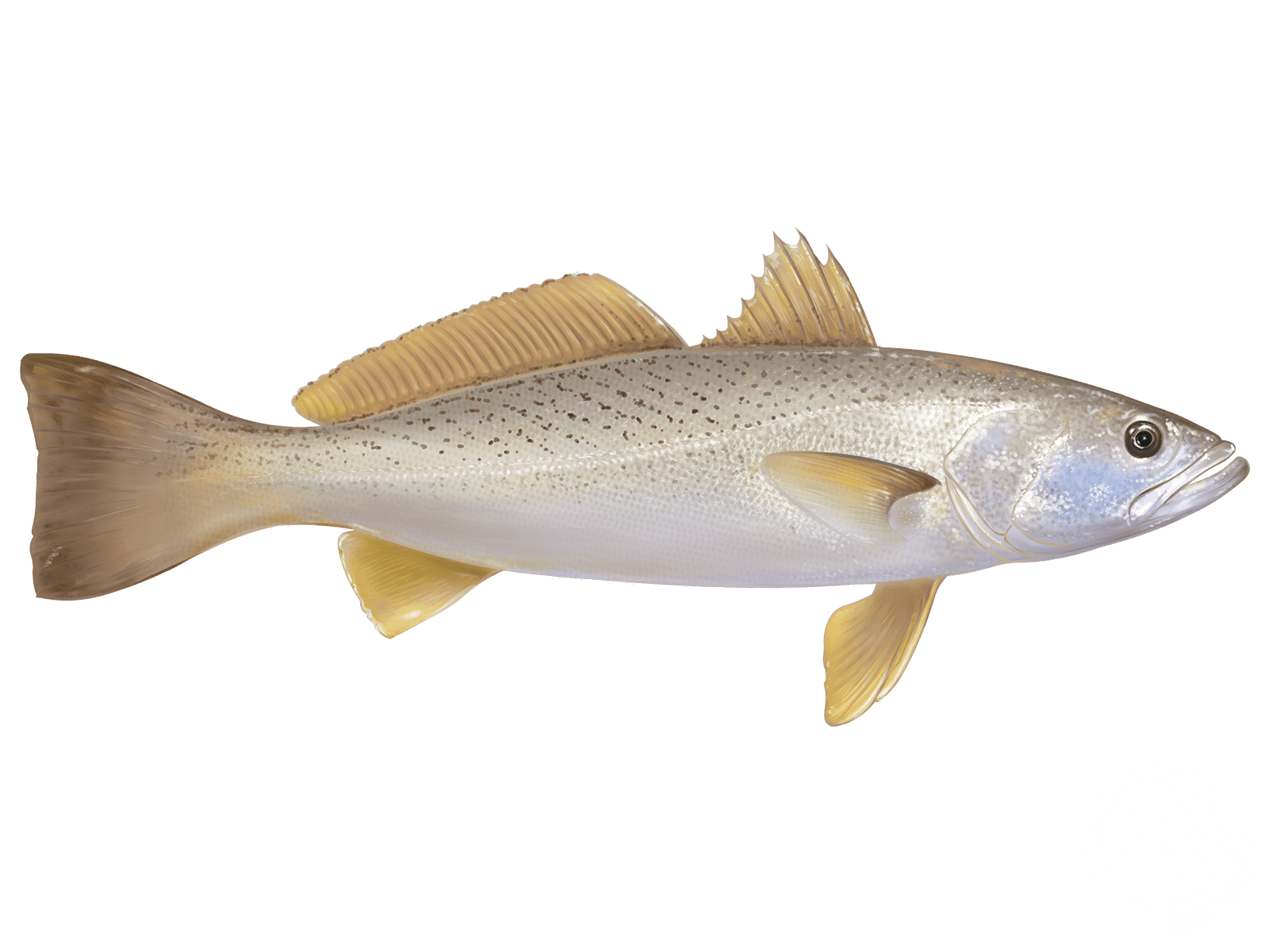
White Weakfish (Tide Runners): Also known as sea trout, these silvery gamefish are a bit of a Barnegat Bay specialty. They're not as common as they once were, which makes landing one even more special. Weakfish typically run in the 1-3 pound range, but bigger specimens up to 5 pounds or more are possible. They've got soft mouths, hence the name "weakfish," so finesse is key when fighting them. We usually target them in the spring and fall, often using soft plastic lures or live bait like squid or minnows. They're known for their subtle bite and tend to be more active at night or during low light conditions.
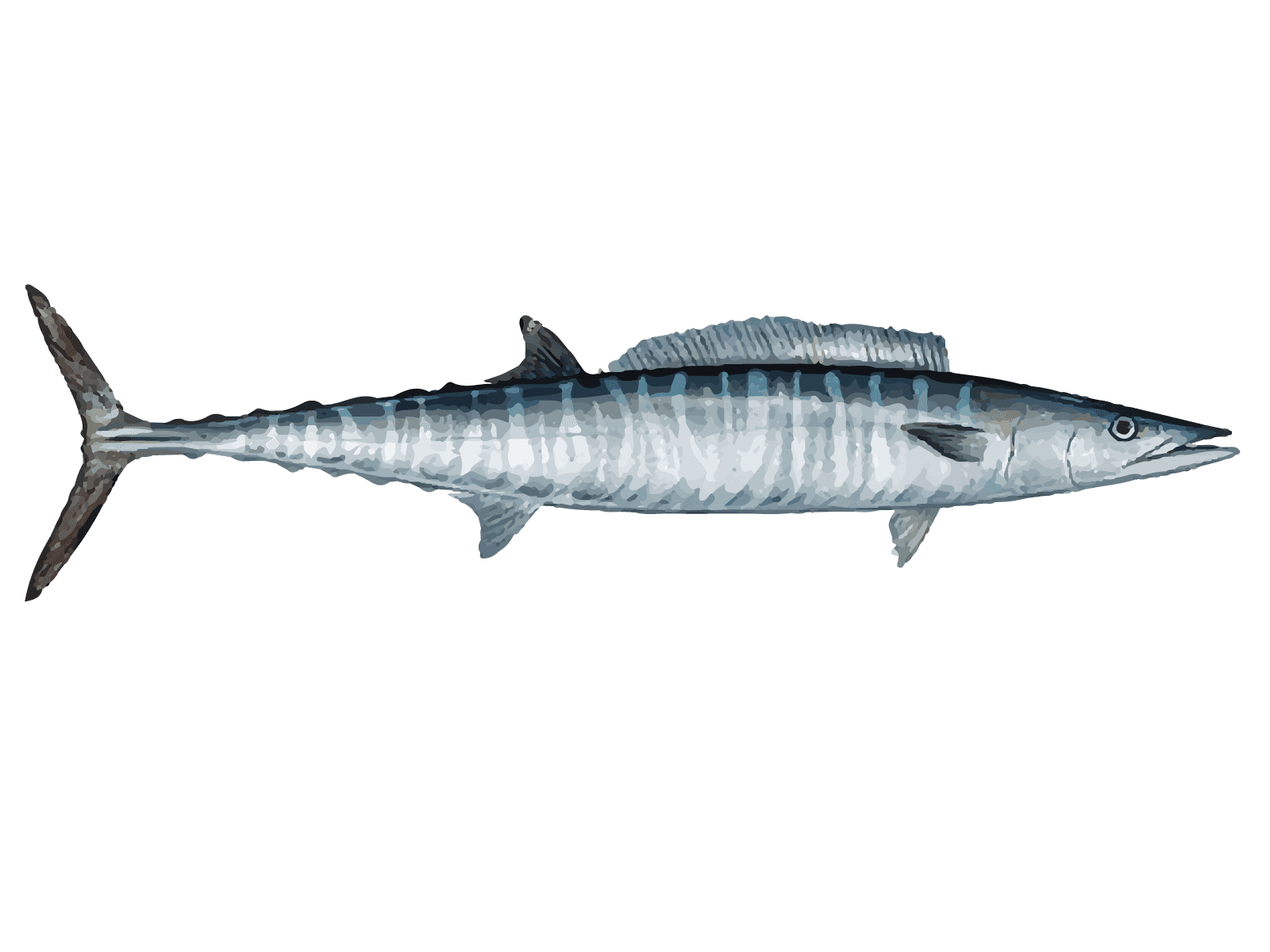
Wahoo Fish: Now, I've got to be straight with you – wahoo aren't typically found in Barnegat Bay. These speedsters are more of an offshore species. But hey, never say never in fishing! If you're really keen on targeting wahoo, we'd need to book an offshore trip and head out to the canyons. In the meantime, let's focus on the inshore species that make Barnegat Bay fishing so great. Who knows, maybe we'll stumble upon a rare inshore wahoo and make headlines!
Time to Get Your Fish On!
Listen, folks, I could talk fishing all day, but nothing beats actually getting out there and doing it. Whether you're looking to catch dinner, learn some new techniques, or just enjoy a day on the water with friends, our Barnegat Bay trip has got you covered. We've got the gear, the know-how, and the hot spots – all you need to bring is a good attitude and maybe a couple of sandwiches. Remember, the fish are always biting somewhere, and half the fun is in the chase. So what do you say we stop talking about fishing and start doing it? Give us a call, book your trip, and let's make some memories on the bay. Trust me, once you feel that first tug on the line, you'll be hooked for life. See you on the water!
Learn more about the species
Black Sea Bass
Black sea bass are a popular target in Barnegat Bay, usually hanging around structure like jetties and wrecks. These plump-bodied fish typically run 1-4 pounds but can reach up to 8. Look for them in waters 60-120 feet deep from late spring through summer. They're ambush predators, so dropping bait near bottom structure is key. A medium-weight rod with 20-30 pound line works well. Live bait like squid or fish strips tend to be most effective. Black sea bass put up a good scrappy fight and make excellent table fare with their mild, flaky white meat. For best results, try jigging near rocky bottoms or wrecks. The federal recreational season runs May 15 to December 31, so summer is prime time to catch these tasty fish.

Striped Bass
Striped bass are the crown jewel of Barnegat Bay fishing. These powerful fish average 20-40 pounds but can top 70. They're structure-oriented, so target them around jetties, bridges, and channel edges. Spring and fall are prime seasons when they're migrating. Stripers feed aggressively on baitfish like bunker and herring. Live or chunked bait works well, but artificials like swimming plugs and soft plastics can be deadly too. Use heavy tackle - a 7-foot rod with 20-30 pound line is a good start. Stripers fight hard, making long runs and even jumping at times. They're also excellent eating. For a local trick, try drifting live eels at night around the inlet jetties. The biggest bass often feed under cover of darkness. Just be ready for an explosive strike when they hit.
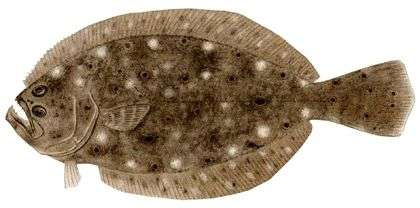
Summer Flounder
Summer flounder, or fluke, are a prized catch in Barnegat Bay. These flatfish typically run 15-20 inches but can reach over 20 pounds. Look for them on sandy or muddy bottoms in depths from 20 to 60 feet. They're masters of camouflage, blending in with the seafloor. Best fishing is from May through September when they move inshore. Fluke are aggressive predators - they'll chase down baitfish and even small bluefish. Drift fishing with live minnows, mullet, or squid strips on a bucktail jig is deadly effective. When you feel a bite, resist the urge to set the hook immediately. Let them take it and run a bit first. Fluke put up a good fight and are excellent eating. For an extra edge, try bouncing your bait along the bottom as you drift. That movement often triggers strikes from these ambush specialists.
Wahoo Fish
Wahoo are speedsters of the open ocean, known for blistering runs and acrobatic jumps. These sleek predators average 3-5 feet long but can top 8 feet and 100 pounds. Look for them in warm offshore waters, often near floating debris or weedlines. Summer and fall are prime seasons as they follow warm currents. Wahoo are lightning-fast, hitting trolled lures at speeds up to 60 mph. Use heavy tackle - 30-50 class reels with wire leaders to handle their razor-sharp teeth. High-speed trolling at 12-15 knots with skirted lures or ballyhoo is the go-to method. These fish fight hard and taste great, with firm white meat perfect for grilling. For a local tip, try slow-trolling live bonito or skipjack around offshore oil rigs. The structure concentrates bait, which in turn attracts hungry wahoo. Just be ready to hang on when one hits - it's like hooking a freight train!
White Weakfish
White weakfish, also called white seabass, are an overlooked gem in Barnegat Bay. These silvery fish average 7-8 pounds but can reach over 60. Look for them near structure in 30-60 feet of water, especially around squid nests. They're most active in spring and fall. White weakfish are lazy feeders, so chumming can help draw them in. Live squid is the top bait, but anchovies or sardines work too. Use a 20-30 pound fluorocarbon leader to avoid spooking these wary fish. Despite their name, weakfish put up a surprisingly strong fight. They're also fantastic eating with a mild, flaky white meat. For best results, try slow-trolling live squid near bottom structure. Keep your bait suspended between the surface and bottom - that's where these fish typically hunt. Patience is key, but the reward is worth it when you hook into one of these hard-fighting, great-tasting fish.
About the Miss Liane
%2F%2Fusers%2Fbe03174c-b6a6-45ae-8746-040f2ac980a6%2Fboat_picture%2Fboat2_orig.png&w=1920&q=75)
Vehicle Guest Capacity: 6
Manufacturer Name: Yamaha
Maximum Cruising Speed: 25
Number of Engines: 2
Horsepower per Engine: 300
Ready for some laid-back fishing fun in Barnegat Bay? Join us for a 4-hour inshore trip that's perfect for groups up to 6. Whether you're new to fishing or have years of experience, our knowledgeable captain will help you reel in local favorites like Black Sea Bass, Striped Bass, Flounder, and Bluefish. We've got all the gear you need, so just bring yourself and get ready to cast a line. Our flexible departure times make it easy to fit a fishing adventure into your Jersey Shore plans. Don't forget to give us a call 48 hours before your trip to confirm. It's a great way to spend a day on the water, soaking up the sun and hopefully catching dinner too. Book your spot now and get ready for some quality time with friends or family, surrounded by the beauty of Barnegat Bay.