%2Ffit-in%2F250x250%2Fguide_websites%2F4448%2Fimages%2Fml.png&w=1920&q=100)
/users/be03174c-b6a6-45ae-8746-040f2ac980a6/ratecard/blackseabass.jpg)
%2F300x300%2Fusers%2Fbe03174c-b6a6-45ae-8746-040f2ac980a6%2Fratecard%2Fblackseabass.jpg&w=256&q=75)
%2F300x300%2Fusers%2Fbe03174c-b6a6-45ae-8746-040f2ac980a6%2Fimages%2Fanglers-forked-river-catch-2510.jpg&w=256&q=75)
%2F300x300%2Fusers%2Fbe03174c-b6a6-45ae-8746-040f2ac980a6%2Fimages%2Fnew-jersey-coastal-cruises-fishing-2392.jpg&w=256&q=75)
%2F300x300%2Fusers%2Fbe03174c-b6a6-45ae-8746-040f2ac980a6%2Fimages%2Fbluefish-forked-river-fishing-2428.jpg&w=256&q=75)
%2F300x300%2Fusers%2Fbe03174c-b6a6-45ae-8746-040f2ac980a6%2Fimages%2Fking-mackerel-nj-fishing-trip-2487.jpg&w=256&q=75)
%2F300x300%2Fusers%2Fbe03174c-b6a6-45ae-8746-040f2ac980a6%2Fimages%2Fbig-fish-forked-river-2543.jpg&w=256&q=75)
%2F300x300%2Fusers%2Fbe03174c-b6a6-45ae-8746-040f2ac980a6%2Fimages%2Fanglers-impressive-haul-new-jersey-2515.jpg&w=256&q=75)
%2F300x300%2Fusers%2Fbe03174c-b6a6-45ae-8746-040f2ac980a6%2Fimages%2Ffishing-cruise-big-catch-2560.jpg&w=256&q=75)
%2F300x300%2Fusers%2Fbe03174c-b6a6-45ae-8746-040f2ac980a6%2Fimages%2Fyellowfin-tuna-forked-river-2431.jpg&w=256&q=75)
%2F300x300%2Fusers%2Fbe03174c-b6a6-45ae-8746-040f2ac980a6%2Fimages%2Fcruising-fishing-new-jersey-2721.jpg&w=256&q=75)
%2F300x300%2Fusers%2Fbe03174c-b6a6-45ae-8746-040f2ac980a6%2Fimages%2Fstriped-bass-fishing-nj-2567.jpg&w=256&q=75)
Premier 12-Hour NJ Shore Fishing Charter
 New Jersey
What you will be catching:
 Black Sea Bass
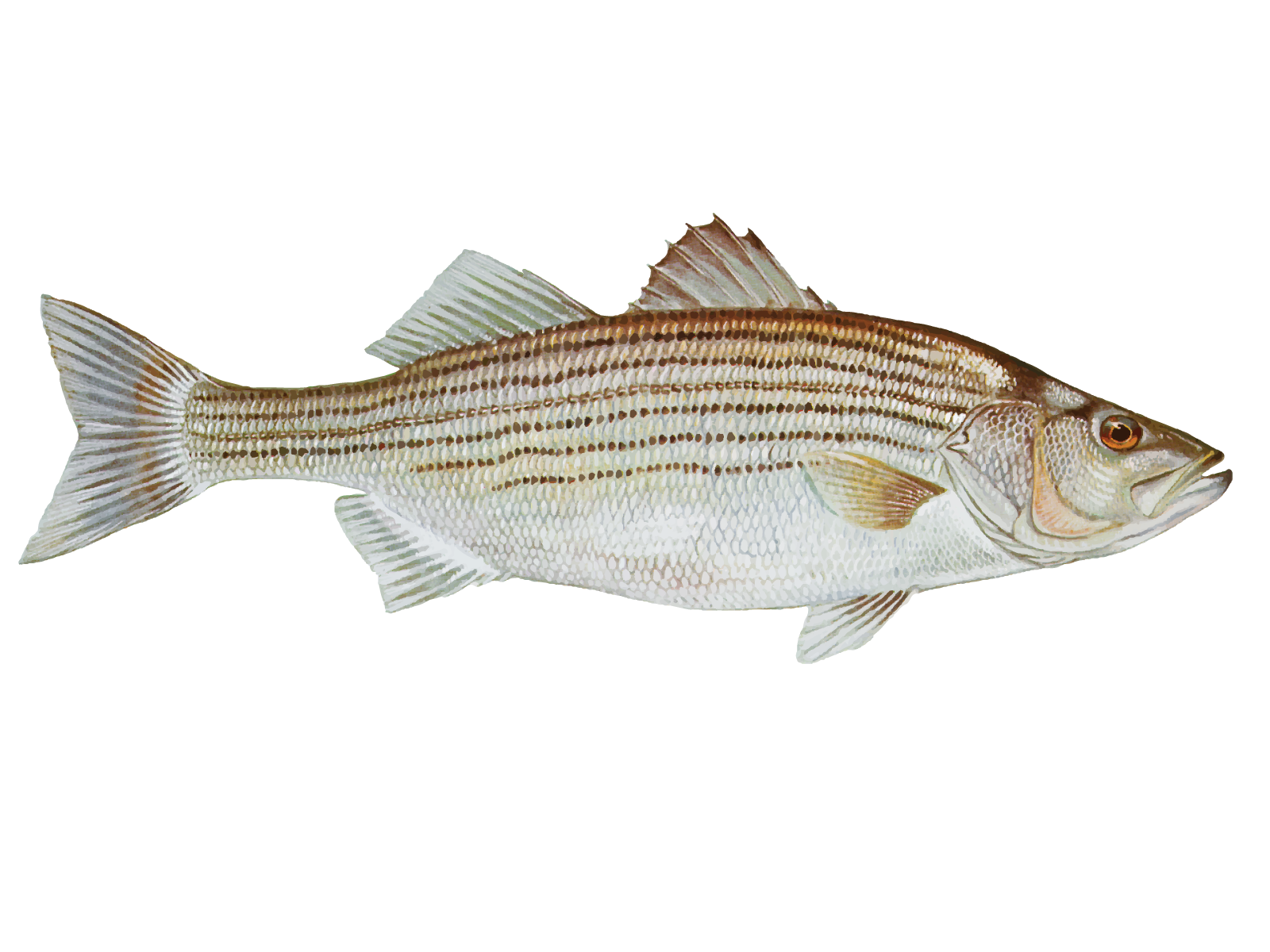 Striped Bass
 Summer Flounder
- 8-hour inshore charter targeting Black Sea Bass and Striped Bass
- All fishing equipment and expert crew guidance included
- Accommodates up to 6 guests with 48-hour advance confirmation required
Trip Pricing and Availabilities:
Reel in the Action: NJ Black Sea Bass Charter
Hey there, fellow anglers! Ready to hit the Jersey Shore for some serious inshore fishing action? Our full-day charter is your ticket to hauling in some of the Garden State's most prized catches. We're talking Black Sea Bass, Striped Bass, and a whole bunch of other local favorites. Whether you're a seasoned pro or just getting your feet wet, we've got you covered with all the gear and know-how you need for a killer day on the water.
What to Expect on the Water
Picture this: You're cruising along the picturesque New Jersey coastline, rod in hand, ready to battle it out with some of the Atlantic's feistiest fish. Our 8-hour trip gives you plenty of time to soak in the salty air and get your fill of non-stop fishing action. We provide all the top-notch equipment, from rods and reels to bait and tackle, so all you need to bring is your A-game and maybe a sandwich or two. Our experienced crew will be right there with you, showing you the ropes and helping you land that fish of a lifetime. And don't sweat it if you're new to this – we love nothing more than turning fishing rookies into rod-bending pros by the end of the day.
Fishing Techniques & Hot Spots
When it comes to inshore fishing in Jersey, we've got a few tricks up our sleeves. For Black Sea Bass, we'll likely be dropping lines near structure – think wrecks, reefs, and rocky bottoms. These fish love to hang out around cover, so precision is key. We might use a mix of bait fishing and jigging to entice these tasty bottom-dwellers. If we're after Striped Bass, get ready for some exciting topwater action or trolling along the coastline. And for those Summer Flounder (we call 'em fluke around here), we'll show you the art of drift fishing with specialized rigs. The beauty of inshore fishing is the variety – one minute you're working the bottom, the next you're casting lures at breaking fish on the surface. It's a full-body workout, but trust me, you'll be too pumped about the fish you're catching to notice!
Top Catches This Season
Let me tell you, the fishing has been on fire lately. Just last week, we had a group out that absolutely slammed the Black Sea Bass. They were pulling up doubles and triples – it was like fish city down there! Another highlight was a father-son duo who tag-teamed a 40-inch Striper. The look on that kid's face when they finally got it in the boat? Priceless. That's what this is all about – making memories and putting smiles on faces. And don't even get me started on the fluke fishing. We've been finding some real doormats lately, with a few lucky anglers taking home fish over 8 pounds. Whether you're looking to fill the cooler or just enjoy a day on the water with friends and family, we've got you covered.
Species You'll Want to Hook
Black Sea Bass are the stars of the show on many of our trips, and for good reason. These hard-fighting fish are a blast to catch and even better to eat. They typically range from 1 to 5 pounds, but we occasionally hook into some real bruisers pushing 8 pounds or more. Black Sea Bass are structure-oriented, so we target them around wrecks and reefs. They're most active in the warmer months, from late spring through fall, making them a perfect summer target. When you hook one, be ready for a tug-of-war – these guys don't give up easily!
Summer Flounder, or fluke as we call them, are another local favorite. These flatfish are masters of camouflage, blending in perfectly with the sandy bottom. But don't let their flat appearance fool you – they can put up one heck of a fight! Fluke season typically runs from May to September, with the bigger fish showing up as the water warms. The challenge with fluke is in the hook-set – you've got to give them a moment to take the bait before you set the hook. When you get it right, though, there's nothing quite like the feeling of a big fluke on the line.
And let's not forget about the mighty Striped Bass. These are the rockstars of the inshore fishing world, growing to impressive sizes and known for their powerful runs. Stripers can be caught year-round in New Jersey, but the best action is usually in the spring and fall during their migrations. We target them using a variety of methods, from chunking with fresh bait to casting lures in the surf. Landing a big Striper is often the highlight of an angler's trip – these fish are beautiful, hard-fighting, and make for some fantastic photos (and dinners)!
Why Anglers Keep Coming Back
I'll let you in on a little secret – it's not just about the fish. Don't get me wrong, the fishing is top-notch, but it's the whole package that keeps folks coming back year after year. There's something special about being out on the water, watching the sun rise over the Atlantic, feeling that first tug on your line. It's the thrill of not knowing what you might catch next, the friendly competition with your buddies, and the stories you'll be telling for years to come. Our trips are like a mini-vacation – a chance to unplug, unwind, and focus on nothing but the next bite. And let's be real, there's nothing quite like the satisfaction of bringing home a cooler full of fresh fish for dinner. Whether you're a local looking for a weekend escape or a visitor wanting to experience the best of Jersey fishing, we've got you covered.
Time to Book Your Spot
Alright, folks, if you're not itching to get out on the water by now, I don't know what else to tell you! Our full-day inshore charters are the real deal – 8 hours of non-stop fishing action, expert guidance, and some of the best angling the Jersey Shore has to offer. We've got room for up to 6 people, so grab your fishing buddies or bring the family along for a day you won't forget. Remember, all the gear is provided, so you don't need to worry about a thing except showing up ready to fish. Just give us a call 48 hours before your trip to confirm, and we'll make sure everything's set for an epic day on the water. Don't miss out on your chance to tangle with some Black Sea Bass, Striped Bass, and whatever else decides to bite. Book your trip now and get ready to make some waves (and maybe break some personal records) on the New Jersey coast. Trust me, your only regret will be not doing it sooner. See you on the water!
Learn more about the species
Black Sea Bass
## Black Sea Bass Fish Species (Centropristis Striata) ## Fish Description Black Sea Bass is a member of the Grouper family. They are plump-bodied with an extended pelvic and dorsal fin. The dorsal fin comes with a soft rayed rear section and a spiny forward section, marked with a sequence of white spots and bands. Their body color is gray to black, but the center of the scales is white. During the spawning season, males can turn bright blue in color and have a large hump on their heads. Juveniles are brown and have a dark stripe running down the body. ## Fish Size The Black Seabass can reach about 25 inches in length; weigh more than 8 pounds, although most of them caught is less than 4 pounds in weight. The Black Sea Bass world record catch is 10 lb 4 oz. and was caught in Virginia Beach, January 2000. ## Fun Facts About Black Sea Bass Up until recently, the furthest north the black bass was found was Massachusetts. Because of the warming climate, the bass has ventured up to the Gulf of Maine where the water temperatures have increased over the years. They are born as females then change to males. This generally happens when they reach 9 - 13 inches Social interaction can play a big role in this sex reversal. The removal of the big male from the Black Sea Bass population may cause one or more of the remaining bigger females to change sex and play the male role. The female Black Seabass normally matures at the age of 2 to 5 years and produces about 280,000 pelagic eggs. ## Fish Diet Adult and juvenile Black Sea Bass feed on a variety of invertebrates such as hermit crabs, rock crabs, squid, and razor clams. ## Distribution and Habitat 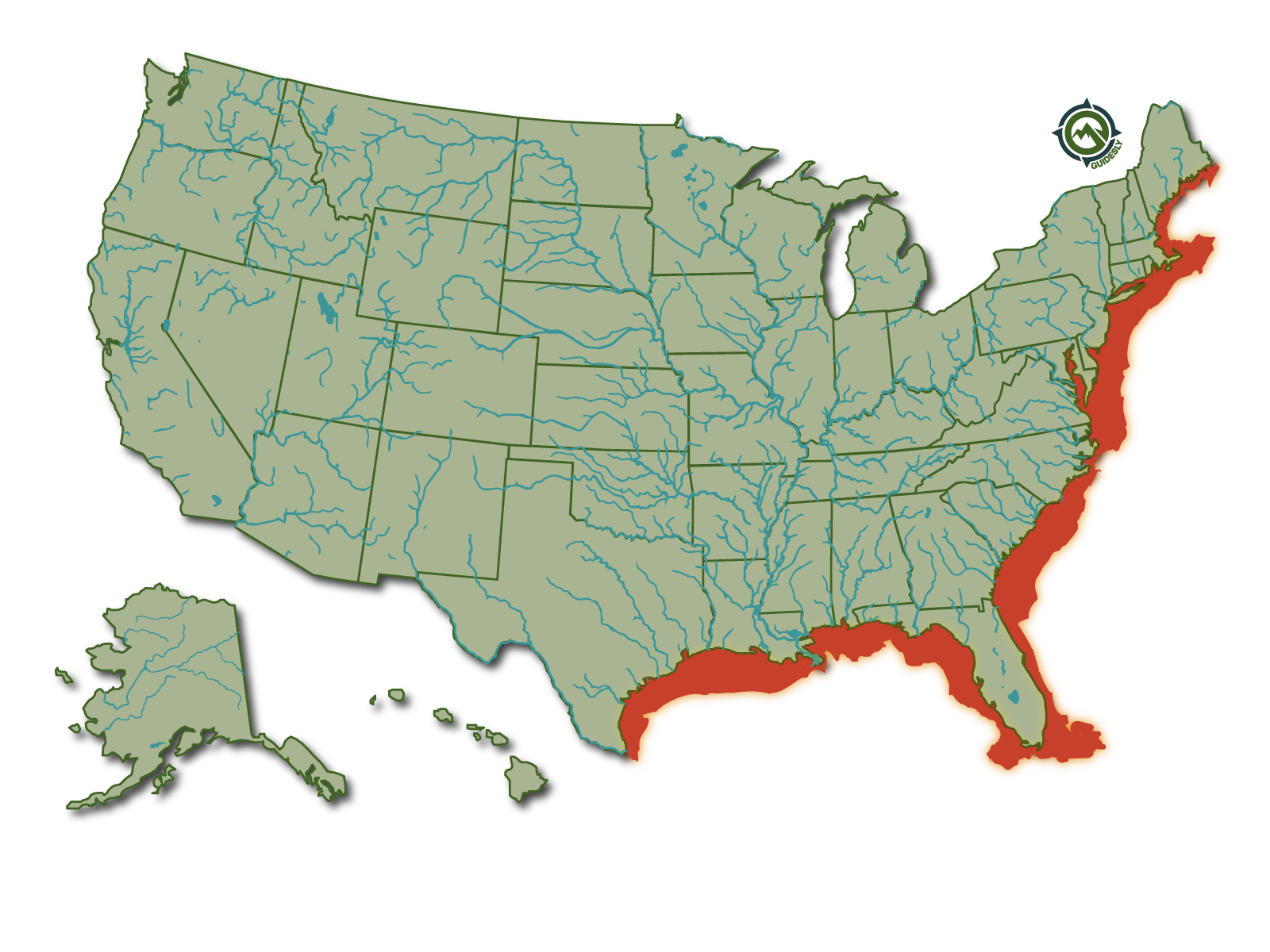 ## Fishing Method The best time to fish for Black Sea Bass is from late spring to summer when they congregate close to the shore. Underwater structures like jetties, piers, and wrecks, is where you will be likely to find them. The bigger males will be found in deeper water and a rocky bottom. The Black Seabass will put up a good fight until it breaks water. A medium-weight rod that's 6-8 feet long with a reel with a 20-30 pound fused, mono or braided line will be successful. They are mostly bottom feeders although they will occasionally strike at jigs, plugs, and lures including a 2 hook bait rig. Live bait such as squid or fish strips is a very good method. The Federal Recreational Black Sea Bass season is February 1 through 28, and May 15 through December 31. ## Habitat During the summer months, they will gather around sunken wrecks, rocky bottoms, old pilings, and wharves and are most abundant at depths of less than 120 feet. Juvenile seabass tend to prefer estuaries where they feed and avoid predators. During the winter months, they migrate to the more south Atlantic states and offshore. ## Distribution Black Seabass are found on the US eastern seaboard from the Gulf of Maine to the Florida Keys and then to the Gulf of Mexico.

Striped Bass
Striped Bass (Morone Saxatilis) Description
The Striped Bass (Morone saxatilis), or Atlantic Striped Bass, Stripers, or Linesider, is a popular game fish for recreational and commercial fishers. As the name suggests, it has seven to eight stripes running down the sides of its body; its color can vary from light green and olive to brown and black. It also has a shimmering white belly and plump bodies that can grow as heavy as 70 pounds and as long as 5 feet, making it easily distinguishable from other species.
Although this fish mostly lives in saltwater during its adult life, it’s anadromous as it spawns (and is even known to adapt well) in a freshwater environment.
It can naturally be found along the East Coast (from as far north as Canada to down south in the Gulf of Mexico). However, you can find it in most water bodies in North America as the species was introduced across the continent for recreational fishing and for controlling the gizzard shad population, which the Striped Bass is known to prey upon.
Interesting Facts
Striped Bass spawn in freshwater and many of the Stripers become landlocked because of dams and other human-made obstructions; but, as earlier mentioned, they adapt well and can thrive in a freshwater habitat.
If you’re fishing for food, the Striped Bass is excellent for eating not only for its plump and meaty body but also for its exquisite, sweet taste, similar to its close relative, the Black Sea Bass.
Striped Bass Size and Speed
For those of you who are planning to fish for this species, yes, they are known to be powerful swimmers, but they’re not particularly fast, making them reasonably easy to catch. Although they can grow much bigger, most caught weigh around twenty to forty pounds.
Where do Striped Bass Live?

You can fish for Striped Bass pretty much any time of the year and can find them in nearly every body of water in the United States. It’s also worth noting that the Chesapeake Bay, Maryland is the major producer while the Hudson River in New York and New Jersey is the second.
However, if you’re on the West Coast, you may want to try your luck in the San Francisco Bay and the surrounding coastline. Colorado rivers and lakes such as Lake Havasu, Lake Mead, Lake Powell, Lake Pleasant, and Lake Mohave are also known to have a great abundance of Striped Bass.
Striped Bass is a structure-oriented fish meaning they can be found around physical structures such as coral reefs, sand bars, and drop-offs. They stay at the bottom of the ocean along the shores as it looks for food. And because they love to swim in moving waters, you can most locate Stripers within yards of the shorelines.
Striped Bass Migration
One of the most exciting aspects of striped bass is their annual migration patterns. These fish are known to migrate long distances, sometimes thousands of miles, which makes them a fascinating subject for study. Striped bass prefers moderate temperatures between 55° F and 68° F. To stay within this temperature range, most striped bass migrate up and down the Atlantic coast from spring to fall.
Scientists have been studying striped bass migration for many years, and they have discovered that these fish travel from estuaries to the open ocean and back again each year. Striped bass can migrate up to 2,000 miles during their lifetime! They typically move northward in the spring and summer months when water temperatures warm up, then head south towards warmer waters in the fall.

The spring striped bass migration begins from the deeper waters off the Virginia and North Carolina coasts. In the spring, the stripers start their northern migration stopping to spawn in the rivers, estuaries, and bays such as the Delaware River, the Hudson River, and the Chesapeake Bay. The Stripers continue north and eventually spend their summers in the cool waters in New England, and sometimes further North to Canada.
The striper migration bait typically begins in the fall as the water cools. If you want to experience this unique opportunity, you'll want to head for one of the most amazing events that an angler can experience. Striper bait, including pogies, peanut bunker, and silversides, will come out of bays and into the ocean early. The hungry stripers want to fatten up for the cold season as winter approaches, so they're actively searching out prey. Stripers seek out the enhanced bait pods that create feeding frenzies. Look for baitfish volcanoes erupting from the water or birds signaling the wounded baitfish. If you are truly fortunate, you will see whales coming from below the baitfish volcano. Fall migration continues all the way until December around the New Jersey coast and parts of January in the Virginia region.
Check out this detailed Striped Bass Migration article.
Is Striped Bass Good to Eat?
Striped bass, also known as "striper," is a popular saltwater fish that can be found along the Atlantic coast of North America. Many people wonder if striped bass is good to eat, and the answer is yes! Striped bass is not only delicious but also packed with nutrients that can benefit your health.
One of the benefits of eating striped bass is its high omega-3 content. Omega-3s are essential fatty acids that help reduce inflammation in the body, improve brain function, and even lower your risk of heart disease. Striper meat contains about 0.5 grams of omega-3s per 100 grams, making it an excellent nutrient source. Additionally, striped bass is rich in protein - a crucial component for building and repairing tissues in your body. A serving size of just 100 grams provides approximately 20 grams of protein.
Fishing Techniques - How to Catch Striped Bass
Striped Bass can be caught year-round and in almost any condition; you can, however, increase your chances if you know exactly what, when, where, and how to look. Stripers are known to swim around and feed in moving waters, near structures along the shores, and you will find them where the water is cooler near the surface during dusk and dawn. Cast your lines out early or late in the day from bridges, piers, bulkheads, or even while wading in the surf.
Choosing the Right Bait
Striped Bass are mostly finicky predators being picky about the baits they will take. It’s best to use live baits such as herring, menhaden, mackerel, eels, squid, anchovies, bloodworms, or shad as it will help attract them with the live bait’s movement.
Choosing the Right Equipment
Although you can use almost any rod and reel for Striped Bass fishing, you can be more successful using rods that are 8 to 14 feet in length, especially for fly fishing. You should use a thinner and more sensitive yet stronger line with little stretch like a braided line. If you prefer using the monofilament type, make sure that it’s strong enough to withstand up to 20 pounds of weight as these fish are not only big, heavy fish, but also strong fighters.
Find fishing tips, techniques, and the best destinations for Striped Bass Fishing
Why are Striped Bass Called Striper?
Striped bass, or Morone saxatilis, is a popular game fish native to the Atlantic coast of North America. It is widely known as "striper," which begs the question: Why do they call striped bass striper? The answer to this question lies in the distinct markings on the fish's body.
The name "striped bass" comes from its characteristic stripes running along its sides. These stripes are typically seven to eight in number and run from just behind the gills to the base of the tail. When viewed from afar, these stripes can appear like bars or lines that make up a striped pattern on their silver-green skin.
Given that this species has such distinctive vertical stripes, it makes sense why they are called stripers. The name has become so widely used among anglers and fishing enthusiasts that it is now more common than calling them by their scientific name.
What is the Hybrid Striped Bass?
Hybrid striped bass is a popular fish species among anglers and seafood enthusiasts. As the name suggests, it's a crossbreed between two different types of bass: striped and white. The hybridization process has resulted in a fish with desirable traits such as rapid growth, aggressiveness, and resistance to diseases and parasites.
Hybrid striped bass can grow up to 30 inches in length and weigh as much as 15 pounds. They have streamlined bodies with dark stripes running along their sides, which give them an attractive appearance. Moreover, these fish are known for their delicious taste and versatility in cooking methods.
Due to its popularity, hybrid striped bass is widely farmed across several regions in the United States. It's commonly used by chefs in various dishes such as sushi rolls, grilled fillets, or stews.
Striped Bass Population
The wild striped bass population is an essential aspect of marine fisheries conservation efforts. Striped bass are a popular game fish that attract recreational anglers from all over the world. Stripers also play an essential role in the natural resources ecosystem in the Atlantic Ocean and the many tributaries like Delaware Bay, Delaware River, Hudson River, and many coastal rivers. Striped bass are a top predator in many coastal habitats, feeding on smaller fish and crustaceans.
Unfortunately, the striped bass population has been under pressure for several decades due to overfishing and habitat loss. One of the primary conservation efforts underway is the implementation of regulations aimed at protecting striped bass populations from overfishing. This includes restrictions on fishing methods and gear, as well as limitations on catch limits for both recreational and commercial fishermen. Additionally, many states have implemented size limits for the fish that can be caught to allow younger fish to reach their reproductive age.
Despite these efforts, the future of the striped bass population remains uncertain. Climate change is causing significant shifts in ocean temperatures and currents that could impact the availability of prey species for striped bass.
A Few Striped Bass Resources:
-Striped Bass Migration, article tracking the Striped Bass Atlantic Coast migration
-Striped Bass Lures, expert guides weigh in with the best striped bass lures
-Striped Bass Bait, top 10 striped bass baits
-Striped Bass Cape Cod, expert guide talks about catching striped bass on Cape Cod
-Striped Bass Chesapeake Bay, expert guides talk about catching striped bass on Chesapeake Bay

Summer Flounder
Summer Flounder (Paralichthys dentatus) Fish Description
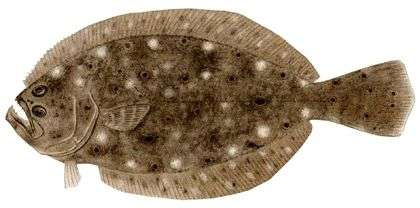
Summer Flounder are a flatfish species. This fish is one of several “sand flounders”, with both eyes on the left side of the head; this means that Summer Flounder live on the seafloor, lying on the blind side of their bodies, facing the open water column.
Summer Flounder are grayish-brown with lighter spots, helping them blend in with the areas surrounding the seabed. When they hatch from their eggs, the Summer Flounder resemble normal fish, with an eye on each side of the head. As they mature, the bones on the right side of the skull grow significantly faster, so the right eye and nostril slowly migrate to the left side. Their jaws do not change significantly, so they bite sideways, from left to right.
Diet and Size
Summer Flounder are active ambush predators, which mean that they utilize their camouflage to blend in with their surroundings to catch unsuspecting prey. They also chase them down using their excellent swimming ability when dealing with prey that move faster. Their diet consists of a variety of bony fish including the sand lance, menhaden, atlantic silverside, mummichog killifish, small bluefish, porgies and a wide range of invertebrates like crabs, shrimps, and squids.
The average Summer Flounder is typically 15-20 inches in length, though they have the capability to grow as large as 26 pounds and live up to 20 years. The females make up the largest and oldest specimens having a maximum observed age of 17 years, while male Flounder have a maximum observed age of 15 years.
Interesting Facts about Summer Flounder
- Summer Flounder are nicknamed “chameleons of the sea” since they are capable of changing their coloring to blend in with the texture and color of the bottom where they live.
- Most of the Summer Flounder spawn in the peak months of October and November when water temperatures change and plankton is at its most abundant period. Combining these elements improves the chance of survival for the larval Summer Flounder.
- Larval and juvenile Summer Flounder are preyed upon by species like spiny dogfish, monkfish, cod, hakes, sea raven, longhorn sculpin, and fourspot flounder until they grow large enough to fend for themselves. Adult Summer Flounders are preyed by large sharks, rays, and monkfish.
- Female Flounder have between 460,000 to more than 4 million eggs, hatching in waters of the continental shelf.
- A permit is required for the sale and purchase of the summer flounder
Summer Flounder Fishing Techniques
Summer Flounder can be fished all year round, but they're easier to catch between September and November. Summer Flounder have a great response to live fish such as minnow, mullet and croakers. Sea worms and clams are also effective baits that Summer Flounder love. It is recommended that you use a circle hook, because it is easier for Flounders to bite.
An effective angling technique would be hooking smaller baitfish through the eye and larger baitfish through the lips. Using a casting rod which is 7 ft long is the standard method of anglers for catching Flounder. It is advised that you use a line that's sturdy enough to handle larger fish that might take the bait. You may need a sinker to make sure the hook is within reach of the Flounder down below
Summer Flounder Habitat & Distribution
Summer Flounder are mainly found in the East Coast of the United States and Canada. They are very abundant in the waters stretching from North Carolina to Massachusetts. Summer Flounder also thrive best from Nova Scotia to the eastern part of Florida.
This fish is usually located offshore and inshore, especially in estuaries. They are demersal; thus, Summer Flounder are usually captured using bottom otter trawls or by gillnets and pound nets.
About the Miss Liane
%2F%2Fusers%2Fbe03174c-b6a6-45ae-8746-040f2ac980a6%2Fboat_picture%2Fboat2_orig.png&w=1920&q=75)
Vehicle Guest Capacity: 6
Manufacturer Name: Yamaha
Maximum Cruising Speed: 25
Number of Engines: 2
Horsepower per Engine: 300
Hop aboard for a full day of fishing fun off the New Jersey coast! We'll spend 8 hours cruising the inshore waters, dropping lines for prized catches like Black Sea Bass and Striped Bass. Whether you're a seasoned angler or trying fishing for the first time, our experienced captain will show you the ropes and help you reel in some beauties. No need to worry about gear - we've got all the rods, reels, and tackle you'll need. Bring up to 5 friends or family members to join in the action. It's a great way to enjoy quality time on the water while exploring the rich fisheries of the Jersey Shore. Remember to give us a call 48 hours before to confirm your trip. Get ready for a full day of fishing, fun, and hopefully some impressive catches to brag about!