%2Ffit-in%2F250x250%2Fguide_websites%2F4448%2Fimages%2Fml.png&w=1920&q=100)
/users/be03174c-b6a6-45ae-8746-040f2ac980a6/ratecard/flounder.png)
%2F300x300%2Fusers%2Fbe03174c-b6a6-45ae-8746-040f2ac980a6%2Fratecard%2Fflounder.png&w=256&q=75)
%2F300x300%2Fusers%2Fbe03174c-b6a6-45ae-8746-040f2ac980a6%2Fimages%2Fanglers-forked-river-catch-2510.jpg&w=256&q=75)
%2F300x300%2Fusers%2Fbe03174c-b6a6-45ae-8746-040f2ac980a6%2Fimages%2Fnew-jersey-coastal-cruises-fishing-2392.jpg&w=256&q=75)
%2F300x300%2Fusers%2Fbe03174c-b6a6-45ae-8746-040f2ac980a6%2Fimages%2Fbluefish-forked-river-fishing-2428.jpg&w=256&q=75)
%2F300x300%2Fusers%2Fbe03174c-b6a6-45ae-8746-040f2ac980a6%2Fimages%2Fking-mackerel-nj-fishing-trip-2487.jpg&w=256&q=75)
%2F300x300%2Fusers%2Fbe03174c-b6a6-45ae-8746-040f2ac980a6%2Fimages%2Fbig-fish-forked-river-2543.jpg&w=256&q=75)
%2F300x300%2Fusers%2Fbe03174c-b6a6-45ae-8746-040f2ac980a6%2Fimages%2Fanglers-impressive-haul-new-jersey-2515.jpg&w=256&q=75)
%2F300x300%2Fusers%2Fbe03174c-b6a6-45ae-8746-040f2ac980a6%2Fimages%2Ffishing-cruise-big-catch-2560.jpg&w=256&q=75)
%2F300x300%2Fusers%2Fbe03174c-b6a6-45ae-8746-040f2ac980a6%2Fimages%2Fyellowfin-tuna-forked-river-2431.jpg&w=256&q=75)
%2F300x300%2Fusers%2Fbe03174c-b6a6-45ae-8746-040f2ac980a6%2Fimages%2Fcruising-fishing-new-jersey-2721.jpg&w=256&q=75)
%2F300x300%2Fusers%2Fbe03174c-b6a6-45ae-8746-040f2ac980a6%2Fimages%2Fstriped-bass-fishing-nj-2567.jpg&w=256&q=75)
World-Class NJ Offshore Fishing | Miss Liane
 New Jersey
What you will be catching:
 Albacore Tuna
 Black Sea Bass
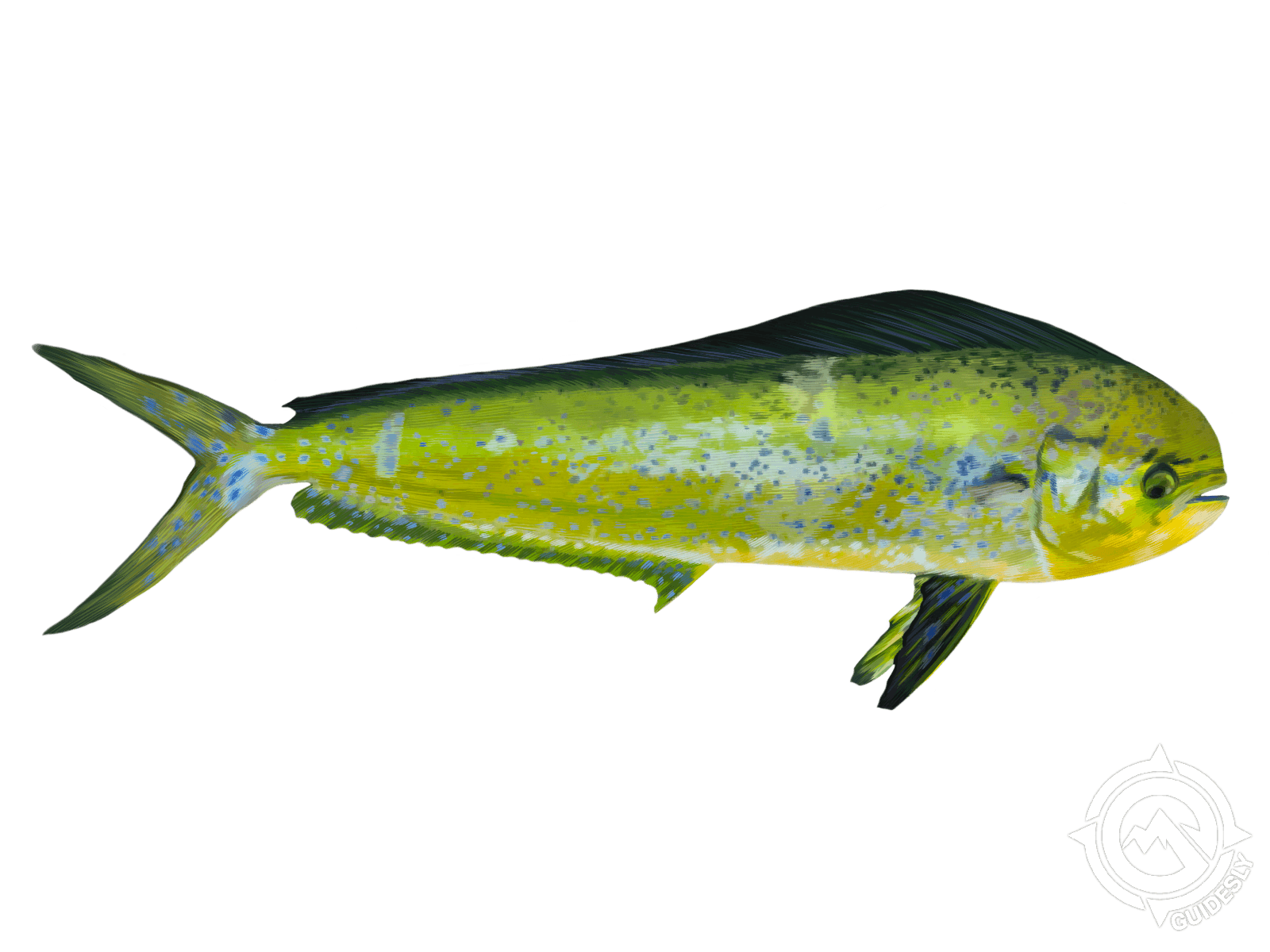
 Mahi Mahi or Common Dolphinfish
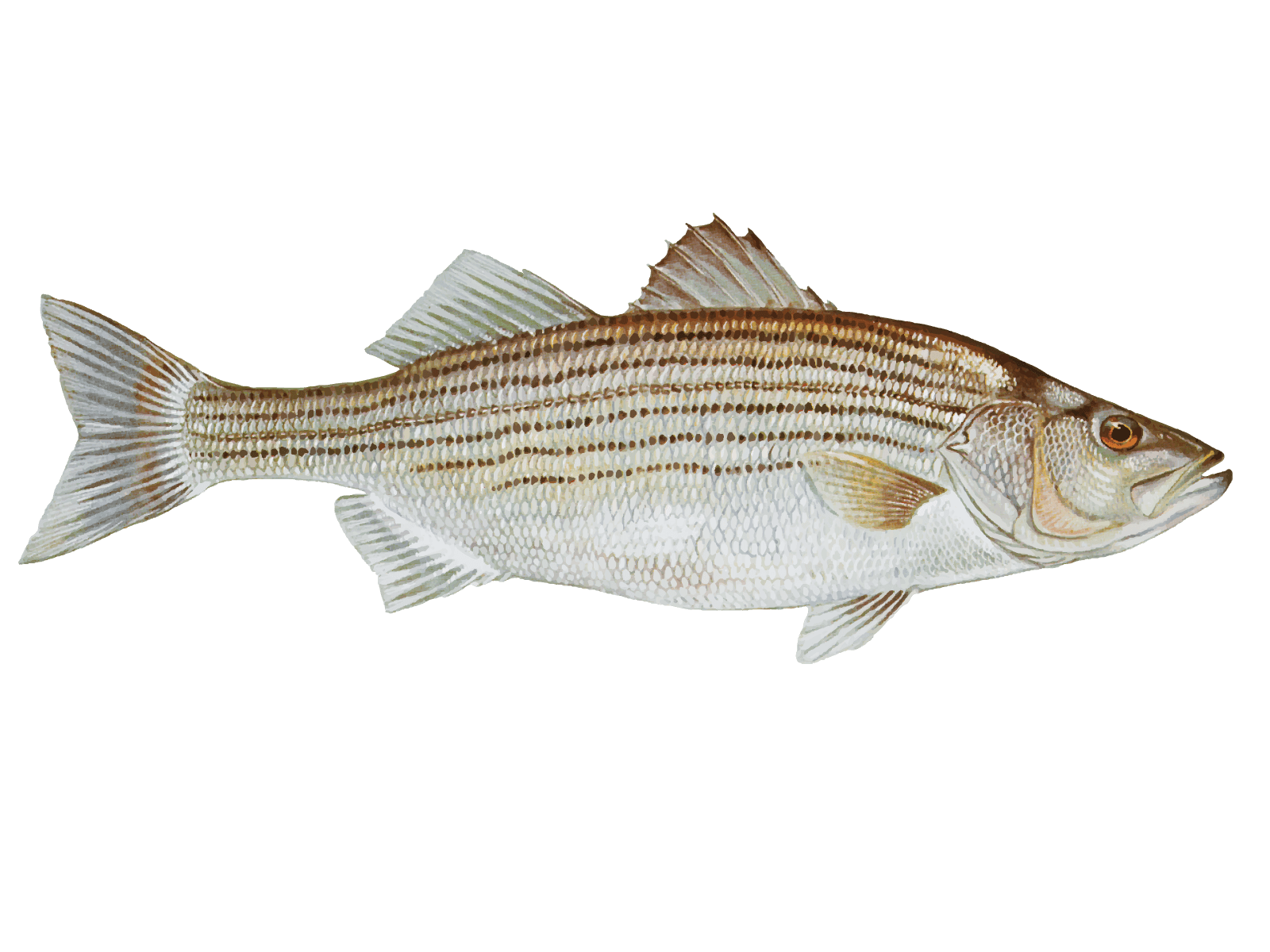
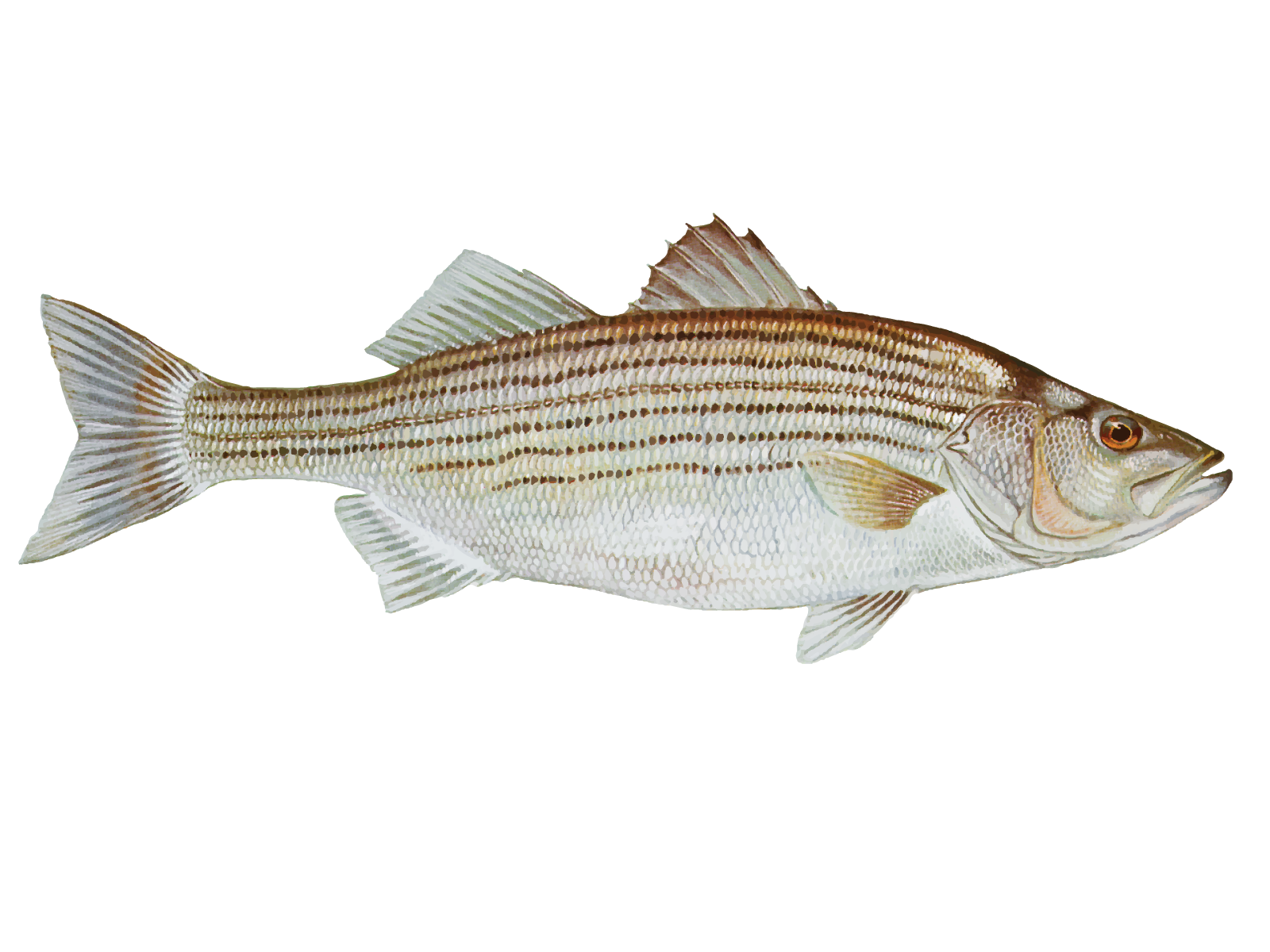 Striped Bass
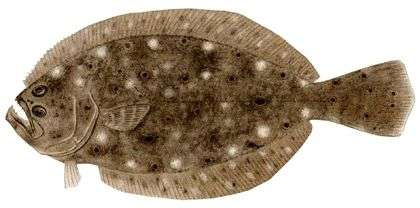
 Summer Flounder
- 6-hour offshore charter targeting Albacore Tuna, Bass, and Mahi Mahi
- All fishing equipment and tackle provided with expert captain guidance
- Maximum 6 guests ensuring personalized attention and ample fishing space
Trip Pricing and Availabilities:
Reel in the Big One: LBI Offshore Adventure
Get ready to hit the high seas off Long Beach Island for some serious offshore action! Our 6-hour charter puts you right where the big fish are biting. Whether you're a seasoned pro or it's your first time wetting a line, we've got you covered with all the gear and know-how you need. We're talking Albacore Tuna, Black Sea Bass, Mahi Mahi, and stripers – the heavy hitters of the Jersey coast. Our experienced captain knows these waters like the back of his hand and will put you on the fish. Just remember to give us a ring 48 hours before to confirm your spot. Trust me, you don't want to miss out on this offshore bonanza!
What to Expect on the Water
Picture this: you're cruising out of LBI as the sun's coming up, salt spray in your face, and the anticipation building. We'll head to the hotspots where the big boys are hanging out. Our 6-hour trip gives you plenty of time to get in on the action. We provide all the top-notch gear – rods, reels, bait, and tackle. You just bring your A-game and maybe a snack or two. Our captain's been fishing these waters for years, so you're in good hands. He'll show you the ropes if you're new, or swap fish stories if you're an old salt. We can take up to 6 anglers, so grab your buddies and make it a day. Just a heads up – we don't provide meals, so pack a cooler with your favorite grub and drinks.
Techniques for Offshore Success
When we're chasing the big ones offshore, we pull out all the stops. We might start with some trolling for tuna and mahi, dragging lures that mimic their favorite snacks. Keep your eyes peeled for bird activity – that's often a dead giveaway for where the fish are feeding. For sea bass and fluke, we'll likely do some bottom fishing. We'll anchor up or drift over structure, dropping baits right where the fish are hiding. And if we're after stripers, get ready for some chunking action. We'll set up a chum slick and send baits back into the feeding zone. The key out here is being ready for anything. The ocean's always got surprises, and that's what makes offshore fishing such a rush.
Species You'll Want to Hook
Albacore Tuna: These speedsters are a favorite among offshore anglers. They're known for their incredible fights and delicious meat. Albies, as we call 'em, usually show up in the late summer and stick around through fall. They're not the biggest tuna out there, but what they lack in size, they make up for in attitude. When an albie hits, hold on tight – they've been known to smoke reels!
Black Sea Bass: These bottom-dwellers are some of the tastiest fish in the sea. They love structure, so we'll target wrecks and reefs to find 'em. Sea bass fishing is all about feeling the bite and setting the hook fast. They might not be the biggest fish out there, but when you're pulling up double headers, you'll be grinning ear to ear. Plus, they make for some killer fish tacos.
Summer Flounder (Fluke): Flatties are a staple of Jersey fishing. These masters of camouflage lie in wait on the sandy bottom, ready to ambush their prey. Fluke fishing is an art – you've got to work that bait just right to entice a bite. When you hook into a doormat (that's what we call the big ones), you're in for a treat. They put up a great fight and are even better on the dinner table.
Striped Bass: Ah, the mighty striper – the crown jewel of East Coast fishing. These fish can grow to monster sizes and are known for their powerful runs. We target them in the cooler months when they're migrating along the coast. There's nothing quite like the thrill of a big bass crushing your bait and taking off like a freight train. It's the kind of fishing that gets in your blood.
Mahi Mahi: Also known as dorado or dolphinfish, these are the acrobats of the offshore world. Mahi are known for their stunning colors and high-flying antics when hooked. We usually find them near floating debris or weed lines. They're fast growers and voracious feeders, which makes for some exciting fishing. And let me tell you, fresh mahi on the grill is hard to beat.
Why Anglers Keep Coming Back
Let me tell you, there's something special about fishing off Long Beach Island. Maybe it's the way the sun rises over the Atlantic, painting the sky in pinks and oranges as we head out. Or maybe it's the moment when a rod doubles over and line starts screaming off the reel. Could be the camaraderie that builds over a day on the water, sharing laughs and the thrill of the catch. Whatever it is, our anglers leave with stories to tell and a burning desire to get back out there. The waters off LBI are teeming with life, and every trip is a new adventure. Whether you're after your personal best or just want to enjoy a day on the ocean, our offshore charters deliver the goods time and time again.
Time to Book Your Spot
Alright, folks, if you're itching to get out on the water and tangle with some offshore bruisers, now's the time to lock in your date. Our 6-hour trips are perfect for getting a real taste of what LBI offshore fishing is all about. Remember, we provide all the gear, so you just need to bring your sense of adventure (and maybe a lucky hat). Don't forget to give us that confirmation call 48 hours before your trip – we want to make sure everything's shipshape for your big day. Whether you're dreaming of your first albie, a cooler full of sea bass, or the mahi of a lifetime, we've got you covered. So what are you waiting for? Grab your crew, pick a date, and let's make some fishing memories that'll last a lifetime. The fish are out there, and they're calling your name. See you on the water!
Learn more about the species
Albacore Tuna
Description
This bullet-shaped fish is one of the smaller tuna species. It has a big mouth, big eyes, and a cone-shaped nose. It has a dark gray-blue body with a silver-white abdomen. The pectoral fins are large, often as long as 30% of the fish's total length. Albacore tuna grow to between 18 and 25 inches and weigh between 20 and 45 pounds.
Spawning
Albacore starts spawning in March and ends in July. But multiple spawning can also happen each year. During the spawning phase, the female lays almost 2.6 million eggs. The eggs are fertilized near the water surface. The eggs develop very quickly after fertilization. Fry remain in the area where they hatched until they turn 2 years old.
Interesting Facts
Albacore tuna meat is delicious, and the only type of tuna that can be labeled and sold as white meat tuna. Its meat is the only which remains in larger pieces with lighter colored flesh, a firmer texture, and a milder flavor than chunk light fish varieties.
Tuna contains a moderate amount of mercury and should be somewhat limited in consumption.
They travel in schools up to 19 miles wide, which makes for great fishing!
Albacore never really rest; their need for oxygen means they must always be on the move.
Feeding is limited to daytime.
Habitat and Distribution
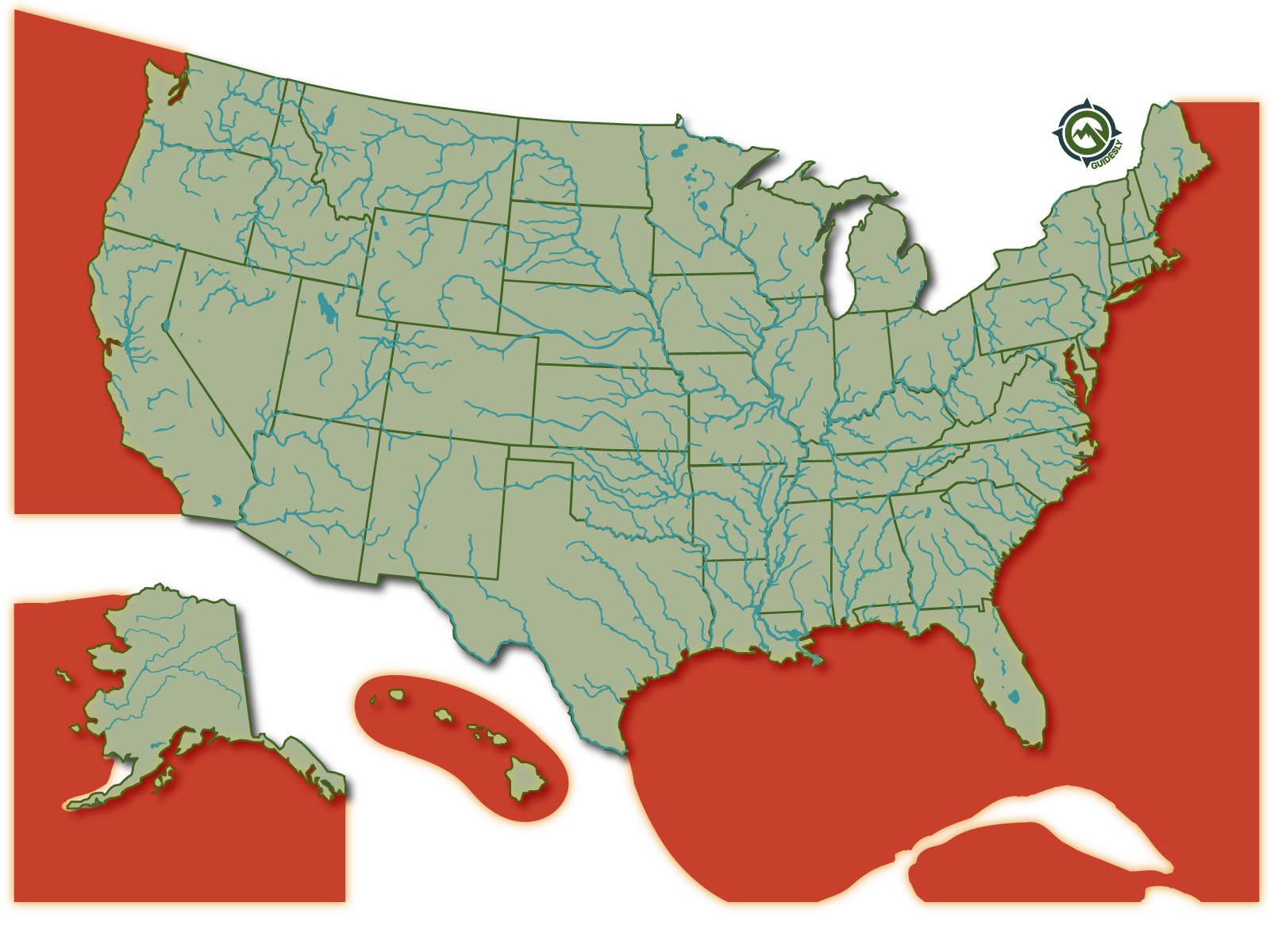
Albacore Tuna's habitat is deep in the ocean in subtropical and temperate waters. This includes both sides of the United States in the Atlantic Ocean's warmer water and the Pacific Ocean.
Baits and Lures
Common live baits for albacore are mackerel, herrings, anchovies, smelt, sardines, and squid. Best lures include swimming plugs, cedar plugs, or tuna feathers.
Fishing Techniques - How to Catch Albacore Tuna
Fishing methods include gillnet, purse seine, pole and line, longline, and trolling. Albacore travels in schools up to 19 miles wide which makes for great fishing. Because of this, trolling a good method of catching them. Generally, the first fish caught is the leading fish. If it gets hooked, the chances are that the majority of fish in the school would also be caught there. Note if that first hooked fish gets away, he will quickly leave the area and you may lose the whole school. Lures should be positioned 50-90 feet away and behind the boat. If you are fly fishing, closures and deceivers are the best types of flies.
Albacore Tuna World Record
The largest Albacore caught was off northern California's Santa Cruz in 1997. The tuna weighed 90 pounds giving it the California record. However, it was disallowed by the International Game Fish Association world record due to a technicality. The IGA record was caught in Spain by Siegfried Dickermann in November 1977. It weighed 88 pounds and 2 ounces. The angler used live mackerel as bait.
Regulations
Season - always open
Size limit - There is no size limit.
Bag limit - There is no daily bag limit

Black Sea Bass
## Black Sea Bass Fish Species (Centropristis Striata) ## Fish Description Black Sea Bass is a member of the Grouper family. They are plump-bodied with an extended pelvic and dorsal fin. The dorsal fin comes with a soft rayed rear section and a spiny forward section, marked with a sequence of white spots and bands. Their body color is gray to black, but the center of the scales is white. During the spawning season, males can turn bright blue in color and have a large hump on their heads. Juveniles are brown and have a dark stripe running down the body. ## Fish Size The Black Seabass can reach about 25 inches in length; weigh more than 8 pounds, although most of them caught is less than 4 pounds in weight. The Black Sea Bass world record catch is 10 lb 4 oz. and was caught in Virginia Beach, January 2000. ## Fun Facts About Black Sea Bass Up until recently, the furthest north the black bass was found was Massachusetts. Because of the warming climate, the bass has ventured up to the Gulf of Maine where the water temperatures have increased over the years. They are born as females then change to males. This generally happens when they reach 9 - 13 inches Social interaction can play a big role in this sex reversal. The removal of the big male from the Black Sea Bass population may cause one or more of the remaining bigger females to change sex and play the male role. The female Black Seabass normally matures at the age of 2 to 5 years and produces about 280,000 pelagic eggs. ## Fish Diet Adult and juvenile Black Sea Bass feed on a variety of invertebrates such as hermit crabs, rock crabs, squid, and razor clams. ## Distribution and Habitat 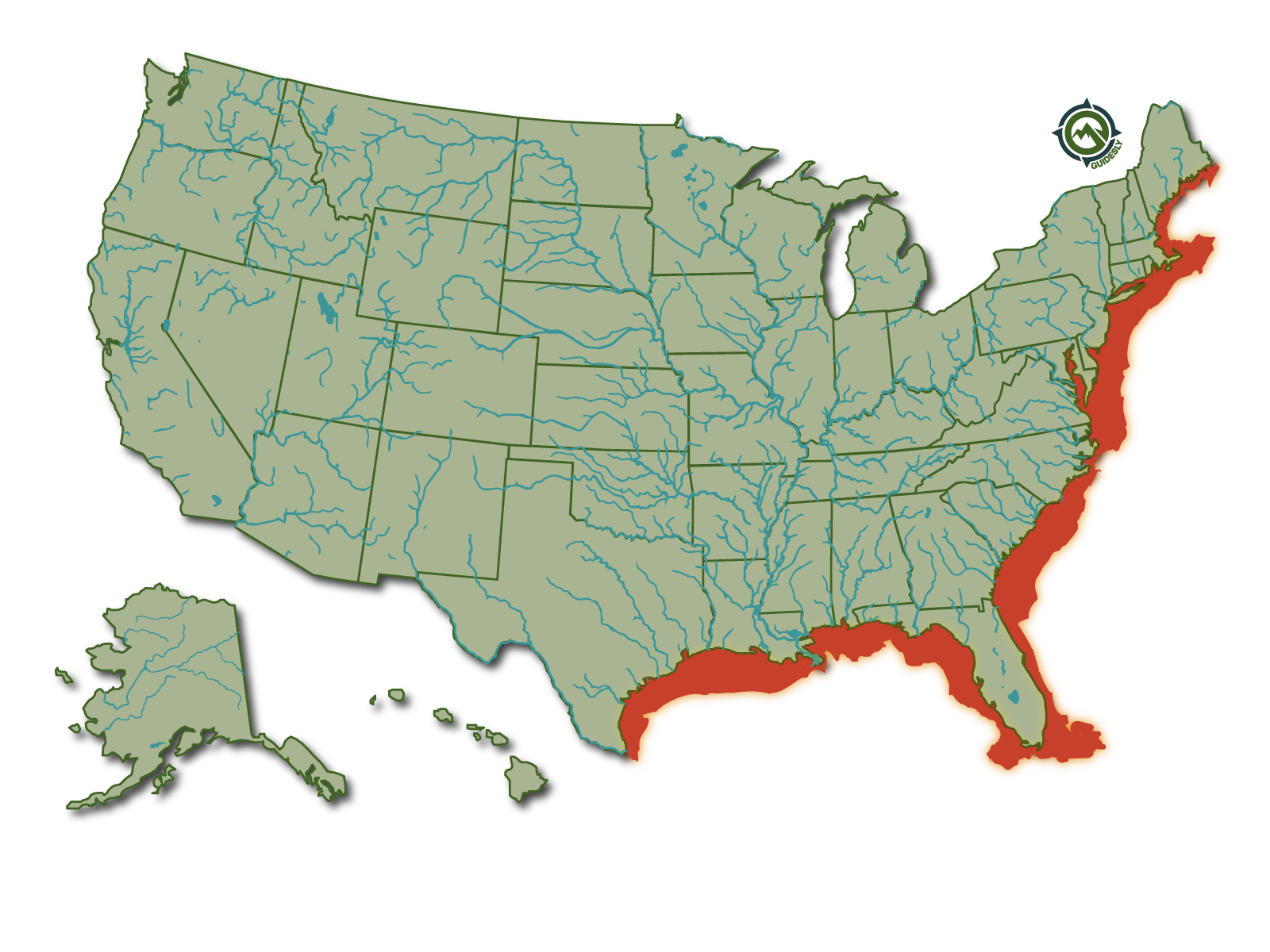 ## Fishing Method The best time to fish for Black Sea Bass is from late spring to summer when they congregate close to the shore. Underwater structures like jetties, piers, and wrecks, is where you will be likely to find them. The bigger males will be found in deeper water and a rocky bottom. The Black Seabass will put up a good fight until it breaks water. A medium-weight rod that's 6-8 feet long with a reel with a 20-30 pound fused, mono or braided line will be successful. They are mostly bottom feeders although they will occasionally strike at jigs, plugs, and lures including a 2 hook bait rig. Live bait such as squid or fish strips is a very good method. The Federal Recreational Black Sea Bass season is February 1 through 28, and May 15 through December 31. ## Habitat During the summer months, they will gather around sunken wrecks, rocky bottoms, old pilings, and wharves and are most abundant at depths of less than 120 feet. Juvenile seabass tend to prefer estuaries where they feed and avoid predators. During the winter months, they migrate to the more south Atlantic states and offshore. ## Distribution Black Seabass are found on the US eastern seaboard from the Gulf of Maine to the Florida Keys and then to the Gulf of Mexico.

Mahi Mahi or Common Dolphinfish
Mahi Mahi or Common Dolphinfish (Coryphaena hippurus) Fish Description
The Mahi Mahi or common dolphinfish, also known as the dorado, are distinctive because of the play of colors on their bodies. Their sides are golden, with splotches of bright blue and green on the back and sides, and pectoral fins a shimmering blue, and underwater they can boast a myriad of other colors depending on where the light hits. However, once taken out of the water, they change colors drastically like a light show, before finally fading to a silver or muted yellow-grey upon demise.

The head of this fish species is also quite distinct. It is characterized by a single dorsal fin that extends from the head to the tail or caudal fin. Male Mahi Mahi have a protruding head, while the female head looks a little more rounded.
The Mahi Mahi or common dolphinfish belong to the family Coryphaenidae, with the other one being the pompano dolphinfish. The juvenile common dolphinfish are often mistaken for the pompano as the latter are quite small. One way to distinguish them is to look at the pectoral fins. The pectoral fins of the common dolphinfish are longer compared to that of the pompano. They also differ in color once out of the water. The common dolphinfish will look a little more yellow, while the pompano will sport a more prominent silver.
Why are Mahi Mahi called Dolphin Fish?
The confusion over the name Mahi Mahi started in Hawaii. The answer to why lies in the history of the Hawaiian Islands where this fish species was first discovered. In Hawaii, mahi mahi means very strong or strong-strong and fisherman referred to the fish as Mahi Mahi. That phrase caught on and the fish went from Mahi to Mahi Mahi and sometimes spelt Mahi-Mahi. It is also referred to as "dorado," However, when mahi-mahi made its way to the US mainland, it was commonly referred to as "dolphin fish." This led to confusion among consumers who thought they were buying or eating meat from actual dolphins.
There are a couple of local stories as to how that happened. It is believed that early American fishermen visiting Hawaii heard locals referring to the fish as "mahi-mahi," mistook it for a reference to dolphins and started calling it "dolphin fish." A second theory suggests that mahi-mahi's long dorsal fin may be responsible for its common name. But the Mahi Mahi, Dophinfish, Dorado is not related to Dolphins in any way.
Why are Mahi Mahi called Dorado?
Mahi Mahi are also known as Dorado, which means golden in Spanish. This name is derived from their distinctive golden-yellow coloration, which is most prominent when the fish is removed from the water. When they are in the water, their coloration is more blue and green. The name Dorado is commonly used in Latin America, occasionally in Hawaii and is also used in other parts of the world where Spanish is spoken.
Is Mahi Mahi Good to Eat?
This fish is found in tropical and subtropical waters around the world and has become popular due to its mild taste and firm texture. But the question remains - is mahi mahi a good fish to eat? Yes, Mahi-Mahi is a popular food to eat, especially in coastal regions where it is readily available. It is a firm, white-fleshed fish that has a mild, sweet flavor, which makes it appealing to a wide range of tastes. It is also a versatile fish that can be prepared in a variety of ways, including grilled, baked, fried, or broiled. In many parts of the world, Mahi-Mahi is used as a substitute for other popular fish species such as tuna or swordfish. It is a healthy fish that is rich in protein, omega-3 fatty acids, and other important nutrients. Overall, Mahi-Mahi is a popular and delicious fish that is enjoyed by many people around the world.
When it comes to taste, many people enjoy mahi mahi because it has a mild flavor that isn't too overpowering. Its flesh is typically white with pinkish hues and has a slightly sweet taste compared to other types of fish. When prepared properly, it can be a flavorful and satisfying meal. Some people describe its flavor as being similar to that of swordfish or tuna, but with a slightly milder flavor profile. The versatility of Mahi-Mahi also makes it a popular choice for a range of cuisines, from Caribbean to Asian. Overall, if you enjoy seafood, there is a good chance you will find Mahi-Mahi to be a tasty and enjoyable fish to eat.
Mahi Mahi Size and Diet
The Mahi Mahi or common dolphinfish do not live long, with some reaching five years but rarely exceeding four. They, however, spawn all year long and mature quite quickly, making their population quite strong and stable. The average size for the Mahi-Mahi is 39 inches, weighing from 15 to 29 pounds. The Mahi-Mahi world record is 87 pounds.
The Mahi Mahi are carnivorous and are known as great swimmers, making them fantastic predators. They are not very particular with what they eat, though they do adapt as they mature. The juveniles of this fish species feed on crustaceans, while the adults focus on bony fishes. They are quite partial to the flying fish. They feed mostly during the day.
Interesting Facts About the Mahi Mahi or Common Dolphinfish
- This fish species mature quickly at three to four months. They practice broadcast spawning, a reproductive behavior wherein both females and males release their respective eggs and sperms into the same water column. This practice apparently guarantees a better chance of fertilization.
- Female Mahi Mahi spawn two to three times annually. In their lifetime, they can produce millions of eggs.
- Big consumers of this fish species: the United States and the Caribbean. The Japanese, Hawaiian, and Australian markets are also significant.
- If you're catching a Mahi-Mahi to eat, make sure to store it with lots of ice before you clean it. This serves two purposes: it keeps your fish fresh, and it makes cleaning much easier.
- The flesh of the Mahi-Mahi is similar to that of the swordfish. It tastes best pan-fried, grilled, roasted, or simmered in sauce. Because its flesh is firm, it is also good to cook it over wood or coal.
- The Mahi-Mahi is also has a small instance of ciguatera poisoning, which is caused when the toxins from Gambierdiscus toxicus are consumed by the fish accidentally and grow in their bodies through time.
Fishing Technique: How to Catch Mahi Mahi or Common Dolphinfish
The common dolphinfish are prized both as game fish and as commercial species. Anglers love fishing for them because they are quite stunning to look at and can also make great food.
When fishing for the common dolphinfish, one should look for an area that has a lot of floating debris by the edge of the reef, as this fish species are attracted to such. Also, anglers should keep a look out for frigate birds trolling any floating debris as they can take you to some big catch.
This fish species can be caught with trolling near weedlines, floating debris, and currents. If you choose to do so, make sure you employ the use of 30- to 50-pound class rods and reels. With trolling, you can use live bait (ballyhoo or squid are most recommended) or artificial lures. Make the bait skip on the surface of the water to excite the common dolphinfish (they love a good flying fish for their meal, after all).
The common dolphinfish are quite strong swimmers and are quite hard to reel in, so anglers will do well with an equally strong tackle, and perhaps another one for back-up just in case the one you're using breaks off while you're reeling this strong fish in.
Is a Mahi Mahi a Tuna?
No, Mahi-Mahi, also known as dolphin fish, is not a type of tuna. Mahi-Mahi is a species of fish in the Coryphaenidae family, while tuna belongs to the Scombridae family. Although both Mahi-Mahi and tuna are popular fish to eat, they have different characteristics and are not closely related. Mahi-Mahi has a mild and sweet flavor with a firm texture, while tuna has a more robust and meaty flavor with a soft and flaky texture. Additionally, Mahi-Mahi is typically found in warmer waters, while tuna can be found in a wider range of habitats.
Why is Mahi Mahi called Dolphin?
There has been some confusion regarding whether or not mahi mahi is a dolphin. Mahi-Mahi is sometimes referred to as a dolphin or more likely, a dolphin fish, because of its similar appearance to the mammal dolphin. While both species share similar physical characteristics such as their long dorsal fins and bright colors, they are distinctly different animals. Mahi mahi belongs to the Coryphaenidae family of fish, while dolphins belong to the Delphinidae family of mammals. However, it's important to note that Mahi-Mahi is not related to dolphins in any way.
It's important to clarify this misconception because many people avoid eating mahi mahi due to their belief that it's related to dolphins. In reality, consuming responsibly sourced and properly prepared mahi mahi can be a healthy and sustainable choice for seafood lovers.
Is Mahi Mahi Safe to Eat?
When it comes to questions about its safety as a food source, many people are left wondering whether it's safe to eat or not. In general, mahi-mahi is considered safe to consume, but there are some risks associated with eating this fish that must be taken into account.
One of the main concerns regarding mahi-mahi consumption is the risk of ciguatera. Ciguatera is a type of food poisoning caused by eating fish that have consumed toxic algae. Mahi-mahi can be a carrier of this toxin if they have eaten smaller reef fish that were contaminated with ciguatoxins. Symptoms of ciguatera include vomiting, diarrhea, and neurological symptoms such as tingling sensations in the fingers and toes. While ciguatera is most commonly associated with reef fish such as barracuda and snapper, it can also affect pelagic species like mahi mahi.
Where do Mahi Mahi Live? Habitat and Distribution
This surface-dwelling fish species are typically found under floating objects. Sometimes those floating objects are floating sargassum, and sometimes they can even be ships.
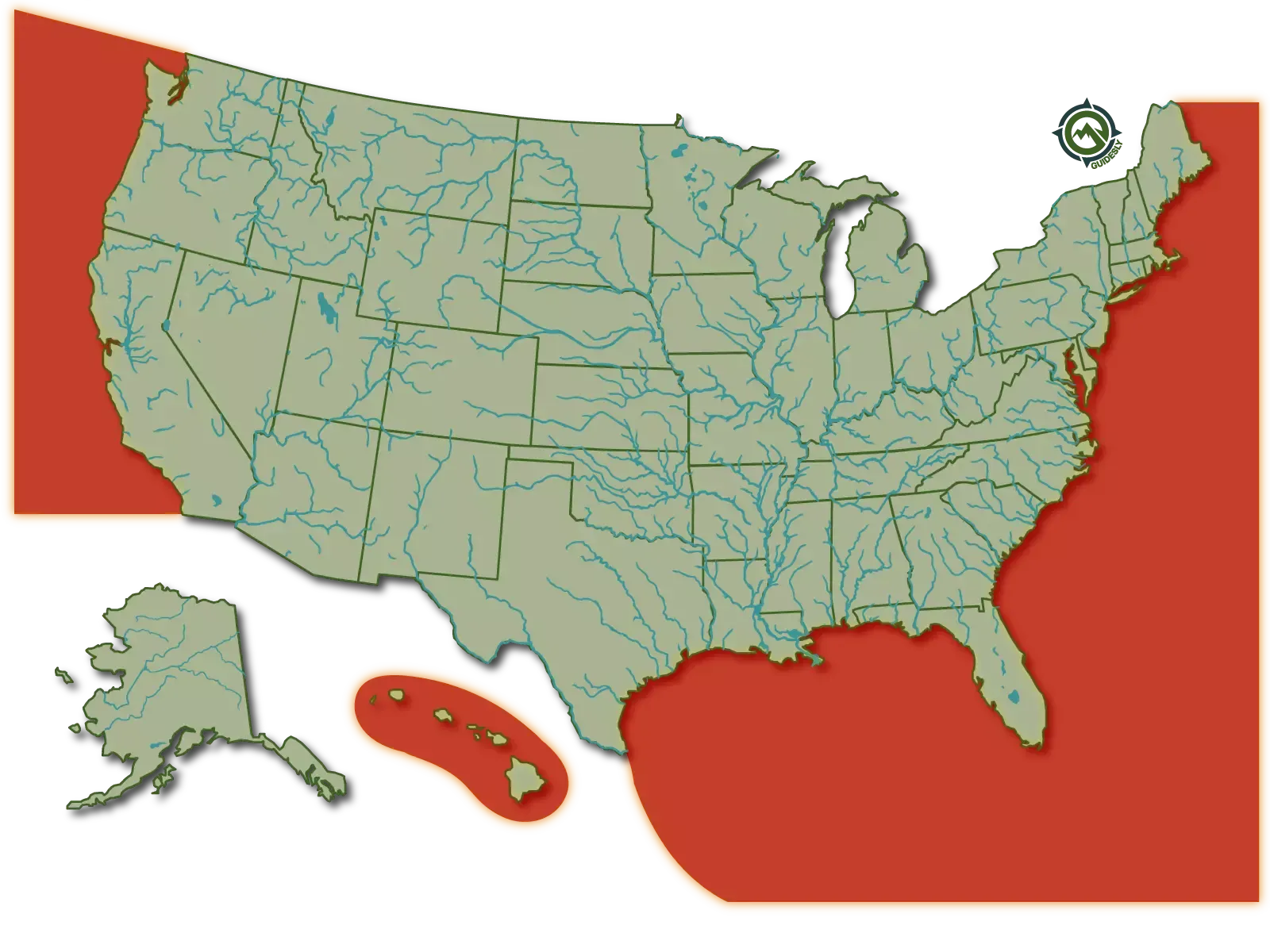
The common dolphinfish are found worldwide in warm and temperate waters, distributed along the Atlantic, Pacific, and Indian Oceans. They occur in both the western parts (particularly the Sea of Japan, around the Philippine Islands, and Taiwan) and eastern parts (from the Oregon and Californian coasts to Peru) of the Pacific Ocean. In the warmer waters of Southern California, their population is quite abundant, particularly in Newport Beach San Diego, Long Beach, and Dana Point. In the Atlantic coast, they are found in Florida, particularly Miami, West Palm Beach, and the Keys.
Striped Bass
Striped Bass (Morone Saxatilis) Description
The Striped Bass (Morone saxatilis), or Atlantic Striped Bass, Stripers, or Linesider, is a popular game fish for recreational and commercial fishers. As the name suggests, it has seven to eight stripes running down the sides of its body; its color can vary from light green and olive to brown and black. It also has a shimmering white belly and plump bodies that can grow as heavy as 70 pounds and as long as 5 feet, making it easily distinguishable from other species.
Although this fish mostly lives in saltwater during its adult life, it’s anadromous as it spawns (and is even known to adapt well) in a freshwater environment.
It can naturally be found along the East Coast (from as far north as Canada to down south in the Gulf of Mexico). However, you can find it in most water bodies in North America as the species was introduced across the continent for recreational fishing and for controlling the gizzard shad population, which the Striped Bass is known to prey upon.
Interesting Facts
Striped Bass spawn in freshwater and many of the Stripers become landlocked because of dams and other human-made obstructions; but, as earlier mentioned, they adapt well and can thrive in a freshwater habitat.
If you’re fishing for food, the Striped Bass is excellent for eating not only for its plump and meaty body but also for its exquisite, sweet taste, similar to its close relative, the Black Sea Bass.
Striped Bass Size and Speed
For those of you who are planning to fish for this species, yes, they are known to be powerful swimmers, but they’re not particularly fast, making them reasonably easy to catch. Although they can grow much bigger, most caught weigh around twenty to forty pounds.
Where do Striped Bass Live?

You can fish for Striped Bass pretty much any time of the year and can find them in nearly every body of water in the United States. It’s also worth noting that the Chesapeake Bay, Maryland is the major producer while the Hudson River in New York and New Jersey is the second.
However, if you’re on the West Coast, you may want to try your luck in the San Francisco Bay and the surrounding coastline. Colorado rivers and lakes such as Lake Havasu, Lake Mead, Lake Powell, Lake Pleasant, and Lake Mohave are also known to have a great abundance of Striped Bass.
Striped Bass is a structure-oriented fish meaning they can be found around physical structures such as coral reefs, sand bars, and drop-offs. They stay at the bottom of the ocean along the shores as it looks for food. And because they love to swim in moving waters, you can most locate Stripers within yards of the shorelines.
Striped Bass Migration
One of the most exciting aspects of striped bass is their annual migration patterns. These fish are known to migrate long distances, sometimes thousands of miles, which makes them a fascinating subject for study. Striped bass prefers moderate temperatures between 55° F and 68° F. To stay within this temperature range, most striped bass migrate up and down the Atlantic coast from spring to fall.
Scientists have been studying striped bass migration for many years, and they have discovered that these fish travel from estuaries to the open ocean and back again each year. Striped bass can migrate up to 2,000 miles during their lifetime! They typically move northward in the spring and summer months when water temperatures warm up, then head south towards warmer waters in the fall.

The spring striped bass migration begins from the deeper waters off the Virginia and North Carolina coasts. In the spring, the stripers start their northern migration stopping to spawn in the rivers, estuaries, and bays such as the Delaware River, the Hudson River, and the Chesapeake Bay. The Stripers continue north and eventually spend their summers in the cool waters in New England, and sometimes further North to Canada.
The striper migration bait typically begins in the fall as the water cools. If you want to experience this unique opportunity, you'll want to head for one of the most amazing events that an angler can experience. Striper bait, including pogies, peanut bunker, and silversides, will come out of bays and into the ocean early. The hungry stripers want to fatten up for the cold season as winter approaches, so they're actively searching out prey. Stripers seek out the enhanced bait pods that create feeding frenzies. Look for baitfish volcanoes erupting from the water or birds signaling the wounded baitfish. If you are truly fortunate, you will see whales coming from below the baitfish volcano. Fall migration continues all the way until December around the New Jersey coast and parts of January in the Virginia region.
Check out this detailed Striped Bass Migration article.
Is Striped Bass Good to Eat?
Striped bass, also known as "striper," is a popular saltwater fish that can be found along the Atlantic coast of North America. Many people wonder if striped bass is good to eat, and the answer is yes! Striped bass is not only delicious but also packed with nutrients that can benefit your health.
One of the benefits of eating striped bass is its high omega-3 content. Omega-3s are essential fatty acids that help reduce inflammation in the body, improve brain function, and even lower your risk of heart disease. Striper meat contains about 0.5 grams of omega-3s per 100 grams, making it an excellent nutrient source. Additionally, striped bass is rich in protein - a crucial component for building and repairing tissues in your body. A serving size of just 100 grams provides approximately 20 grams of protein.
Fishing Techniques - How to Catch Striped Bass
Striped Bass can be caught year-round and in almost any condition; you can, however, increase your chances if you know exactly what, when, where, and how to look. Stripers are known to swim around and feed in moving waters, near structures along the shores, and you will find them where the water is cooler near the surface during dusk and dawn. Cast your lines out early or late in the day from bridges, piers, bulkheads, or even while wading in the surf.
Choosing the Right Bait
Striped Bass are mostly finicky predators being picky about the baits they will take. It’s best to use live baits such as herring, menhaden, mackerel, eels, squid, anchovies, bloodworms, or shad as it will help attract them with the live bait’s movement.
Choosing the Right Equipment
Although you can use almost any rod and reel for Striped Bass fishing, you can be more successful using rods that are 8 to 14 feet in length, especially for fly fishing. You should use a thinner and more sensitive yet stronger line with little stretch like a braided line. If you prefer using the monofilament type, make sure that it’s strong enough to withstand up to 20 pounds of weight as these fish are not only big, heavy fish, but also strong fighters.
Find fishing tips, techniques, and the best destinations for Striped Bass Fishing
Why are Striped Bass Called Striper?
Striped bass, or Morone saxatilis, is a popular game fish native to the Atlantic coast of North America. It is widely known as "striper," which begs the question: Why do they call striped bass striper? The answer to this question lies in the distinct markings on the fish's body.
The name "striped bass" comes from its characteristic stripes running along its sides. These stripes are typically seven to eight in number and run from just behind the gills to the base of the tail. When viewed from afar, these stripes can appear like bars or lines that make up a striped pattern on their silver-green skin.
Given that this species has such distinctive vertical stripes, it makes sense why they are called stripers. The name has become so widely used among anglers and fishing enthusiasts that it is now more common than calling them by their scientific name.
What is the Hybrid Striped Bass?
Hybrid striped bass is a popular fish species among anglers and seafood enthusiasts. As the name suggests, it's a crossbreed between two different types of bass: striped and white. The hybridization process has resulted in a fish with desirable traits such as rapid growth, aggressiveness, and resistance to diseases and parasites.
Hybrid striped bass can grow up to 30 inches in length and weigh as much as 15 pounds. They have streamlined bodies with dark stripes running along their sides, which give them an attractive appearance. Moreover, these fish are known for their delicious taste and versatility in cooking methods.
Due to its popularity, hybrid striped bass is widely farmed across several regions in the United States. It's commonly used by chefs in various dishes such as sushi rolls, grilled fillets, or stews.
Striped Bass Population
The wild striped bass population is an essential aspect of marine fisheries conservation efforts. Striped bass are a popular game fish that attract recreational anglers from all over the world. Stripers also play an essential role in the natural resources ecosystem in the Atlantic Ocean and the many tributaries like Delaware Bay, Delaware River, Hudson River, and many coastal rivers. Striped bass are a top predator in many coastal habitats, feeding on smaller fish and crustaceans.
Unfortunately, the striped bass population has been under pressure for several decades due to overfishing and habitat loss. One of the primary conservation efforts underway is the implementation of regulations aimed at protecting striped bass populations from overfishing. This includes restrictions on fishing methods and gear, as well as limitations on catch limits for both recreational and commercial fishermen. Additionally, many states have implemented size limits for the fish that can be caught to allow younger fish to reach their reproductive age.
Despite these efforts, the future of the striped bass population remains uncertain. Climate change is causing significant shifts in ocean temperatures and currents that could impact the availability of prey species for striped bass.
A Few Striped Bass Resources:
-Striped Bass Migration, article tracking the Striped Bass Atlantic Coast migration
-Striped Bass Lures, expert guides weigh in with the best striped bass lures
-Striped Bass Bait, top 10 striped bass baits
-Striped Bass Cape Cod, expert guide talks about catching striped bass on Cape Cod
-Striped Bass Chesapeake Bay, expert guides talk about catching striped bass on Chesapeake Bay

Summer Flounder
Summer Flounder (Paralichthys dentatus) Fish Description
Summer Flounder are a flatfish species. This fish is one of several “sand flounders”, with both eyes on the left side of the head; this means that Summer Flounder live on the seafloor, lying on the blind side of their bodies, facing the open water column.
Summer Flounder are grayish-brown with lighter spots, helping them blend in with the areas surrounding the seabed. When they hatch from their eggs, the Summer Flounder resemble normal fish, with an eye on each side of the head. As they mature, the bones on the right side of the skull grow significantly faster, so the right eye and nostril slowly migrate to the left side. Their jaws do not change significantly, so they bite sideways, from left to right.
Diet and Size
Summer Flounder are active ambush predators, which mean that they utilize their camouflage to blend in with their surroundings to catch unsuspecting prey. They also chase them down using their excellent swimming ability when dealing with prey that move faster. Their diet consists of a variety of bony fish including the sand lance, menhaden, atlantic silverside, mummichog killifish, small bluefish, porgies and a wide range of invertebrates like crabs, shrimps, and squids.
The average Summer Flounder is typically 15-20 inches in length, though they have the capability to grow as large as 26 pounds and live up to 20 years. The females make up the largest and oldest specimens having a maximum observed age of 17 years, while male Flounder have a maximum observed age of 15 years.
Interesting Facts about Summer Flounder
- Summer Flounder are nicknamed “chameleons of the sea” since they are capable of changing their coloring to blend in with the texture and color of the bottom where they live.
- Most of the Summer Flounder spawn in the peak months of October and November when water temperatures change and plankton is at its most abundant period. Combining these elements improves the chance of survival for the larval Summer Flounder.
- Larval and juvenile Summer Flounder are preyed upon by species like spiny dogfish, monkfish, cod, hakes, sea raven, longhorn sculpin, and fourspot flounder until they grow large enough to fend for themselves. Adult Summer Flounders are preyed by large sharks, rays, and monkfish.
- Female Flounder have between 460,000 to more than 4 million eggs, hatching in waters of the continental shelf.
- A permit is required for the sale and purchase of the summer flounder
Summer Flounder Fishing Techniques
Summer Flounder can be fished all year round, but they're easier to catch between September and November. Summer Flounder have a great response to live fish such as minnow, mullet and croakers. Sea worms and clams are also effective baits that Summer Flounder love. It is recommended that you use a circle hook, because it is easier for Flounders to bite.
An effective angling technique would be hooking smaller baitfish through the eye and larger baitfish through the lips. Using a casting rod which is 7 ft long is the standard method of anglers for catching Flounder. It is advised that you use a line that's sturdy enough to handle larger fish that might take the bait. You may need a sinker to make sure the hook is within reach of the Flounder down below
Summer Flounder Habitat & Distribution
Summer Flounder are mainly found in the East Coast of the United States and Canada. They are very abundant in the waters stretching from North Carolina to Massachusetts. Summer Flounder also thrive best from Nova Scotia to the eastern part of Florida.
This fish is usually located offshore and inshore, especially in estuaries. They are demersal; thus, Summer Flounder are usually captured using bottom otter trawls or by gillnets and pound nets.
About the Miss Liane
%2F%2Fusers%2Fbe03174c-b6a6-45ae-8746-040f2ac980a6%2Fboat_picture%2Fboat2_orig.png&w=1920&q=75)
Vehicle Guest Capacity: 6
Manufacturer Name: Yamaha
Maximum Cruising Speed: 25
Number of Engines: 2
Horsepower per Engine: 300
Get ready for an awesome day of offshore fishing off Long Beach Island, New Jersey! Our 6-hour charter takes you out to prime fishing spots where you can reel in big catches like Albacore Tuna, Black Sea Bass, Mahi Mahi, and Striped Bass. Whether you're a seasoned angler or new to fishing, our experienced captain will show you the ropes and help you land some impressive fish. We provide all the gear you need, so just bring your enthusiasm and maybe some snacks. The boat can accommodate up to 6 people, making it perfect for a group of friends or family outing. We'll time our departure to hit the best fishing conditions. Don't forget to give us a call 48 hours before your trip to confirm. Book now and get ready to make some great fishing memories off the Jersey coast!